Enhancing customer experience through Voice AI
MIRA is an enterprise Voice-AI platform that answers, understands, and resolves customer calls and chats, deployed across UAE government, healthcare, and corporate support. I led the redesign that made it feel human, fast, and worth trusting.
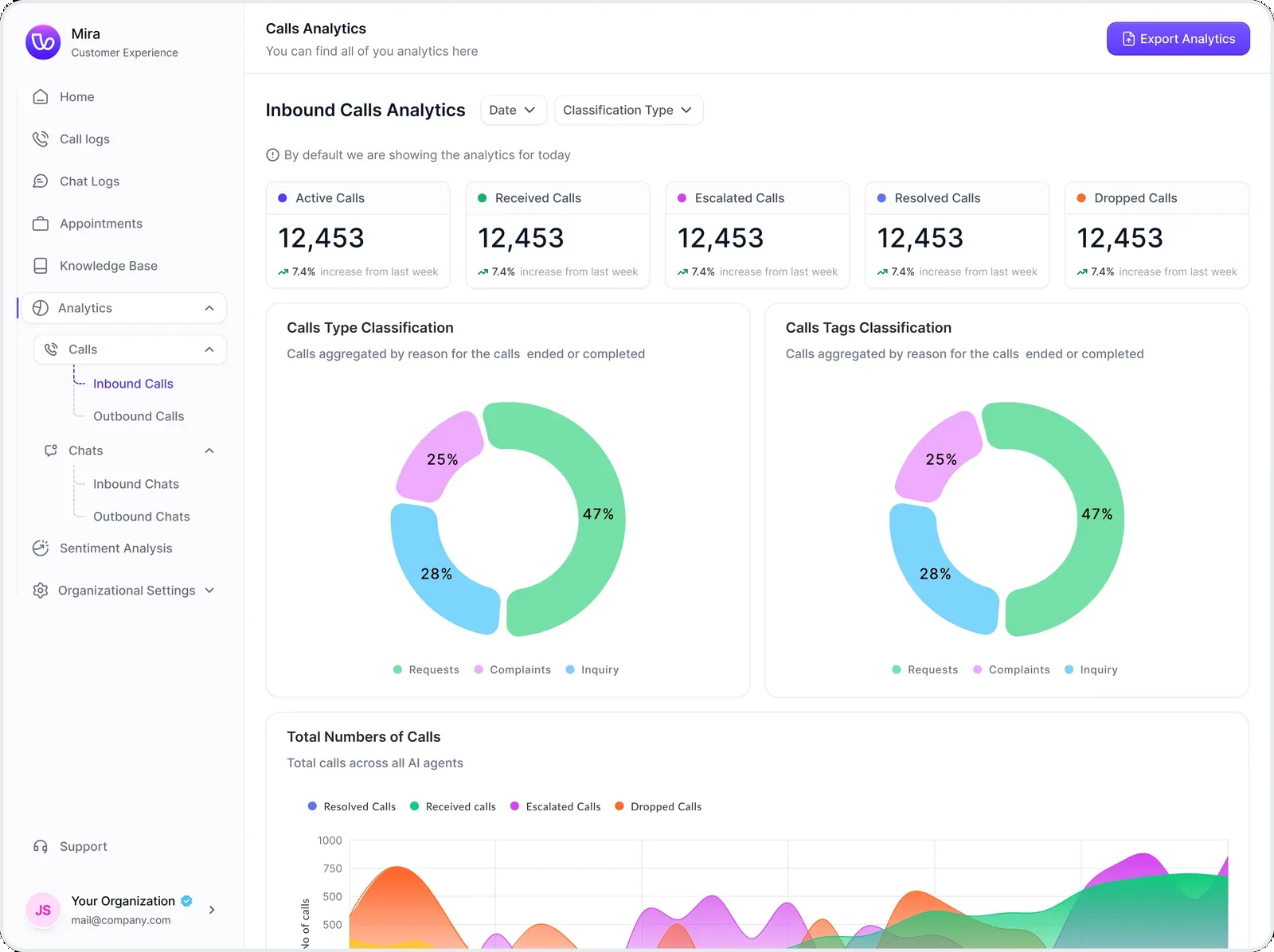
Enterprise voice-AI redesigned end to end: organisation onboarding, call review, human handoff, and knowledge management, deployed across UAE government, healthcare, and enterprise support.
Founding Product Designer at AI71: research, UX, visual design, and design QA
2024–25 project, within a May 2024 to Jan 2025 role at AI71
The problem
MIRA’s AI-driven approach was genuinely innovative — but early user feedback surfaced five gaps that were holding the experience back.
No context awareness
Responses were static. They didn’t adapt to who was calling or why, so every conversation felt impersonal.
Emotional disconnect
People calling support wanted reassurance; corporate clients wanted speed and precision. One flat tone served neither well.
Integration bottlenecks
Pulling real-time information from legacy systems was slow, and those delays showed up in the middle of live calls.
Low trust & adoption
Confidence in AI-led support was low — especially for high-stakes, emotionally charged conversations.
A “faceless” product
Voice AI is invisible by nature. Users never see a polished screen, so trust has to be earned through behaviour, not UI.
Design approach
I ran a double-diamond process — diverging to explore the problem and the solution space, then converging on what to actually build and ship.
Discover
- Problem exploration
- Foundational research
- User interviews
- Competitor analysis
Define
- Synthesising research
- Product requirements
- User stories
Develop
- Concept sketches
- Wireframes
- Prototyping
- User testing
- Design reviews
- Recommendations & rationale
Deliver
- High-fidelity designs
- Design reviews
- Handoff
- Design QA
Competitive analysis
MIRA plays in a crowded field of global and regional players. To position it well, I audited more than 100 companies — here are the leaders worth knowing.
Boost.ai
Enterprise conversational AI built for scale in banking, telecom, and government. Strong multilingual virtual agents and omnichannel support.
G42
A UAE AI leader with deep government partnerships — AI infrastructure, NLP, and speech analytics.
Emaratech
Focused on government digital transformation: secure transaction automation and AI-driven workflows.
Open CX
An AI-powered omnichannel support platform with a strong automation focus, but a limited government footprint.
Intella
A regional leader in Arabic NLP and sentiment analysis, specialising in call-centre analytics.
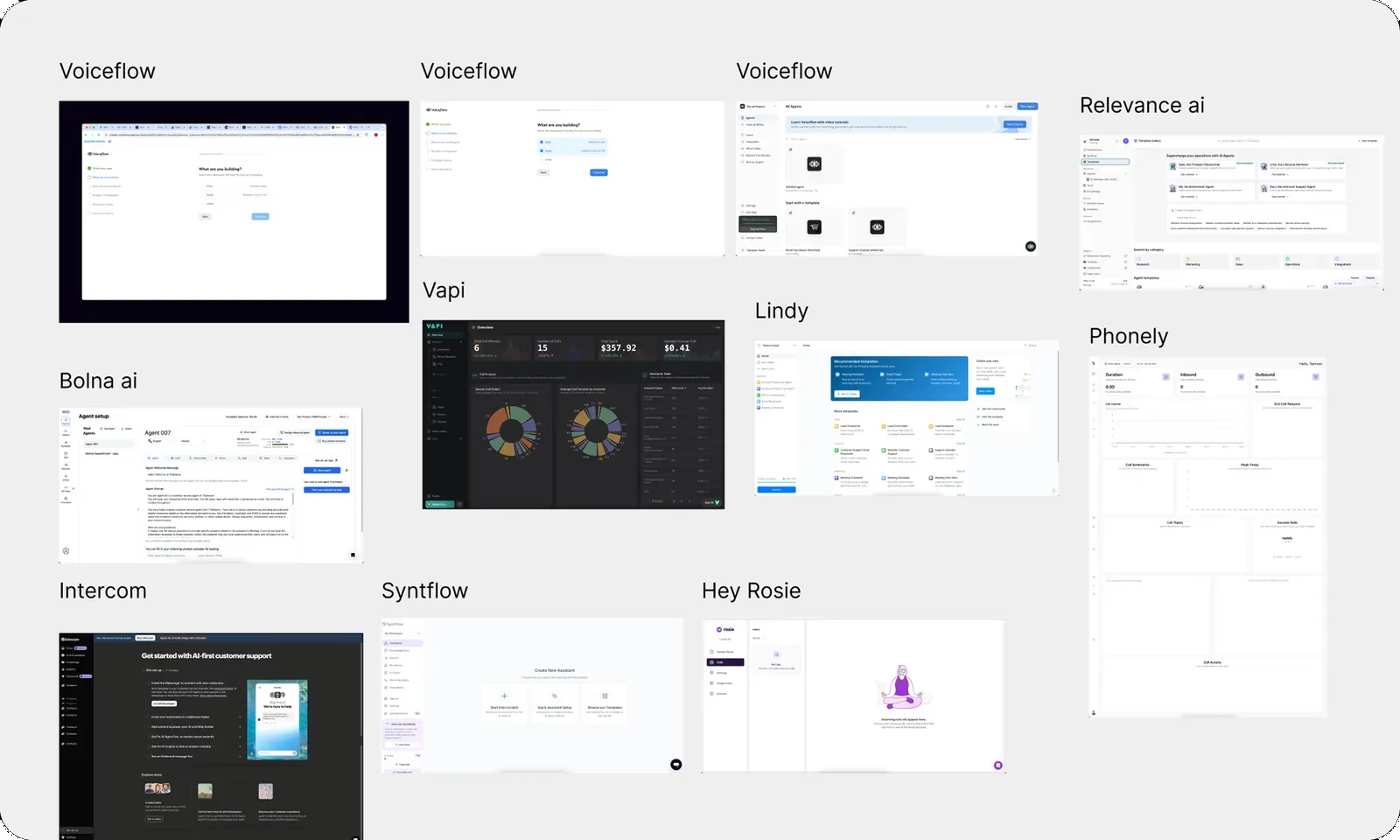
Design bets from the audit
Three capabilities the audit pushed us to invest in.
Adaptive conversation
MIRA adjusts its tone and pacing in real time, based on live sentiment.
Deep integration
It slots into hospital and corporate workflows, meeting industry-specific needs instead of forcing a generic one.
Localised NLP
Arabic speech recognition and sentiment analysis, built for MENA deployments.
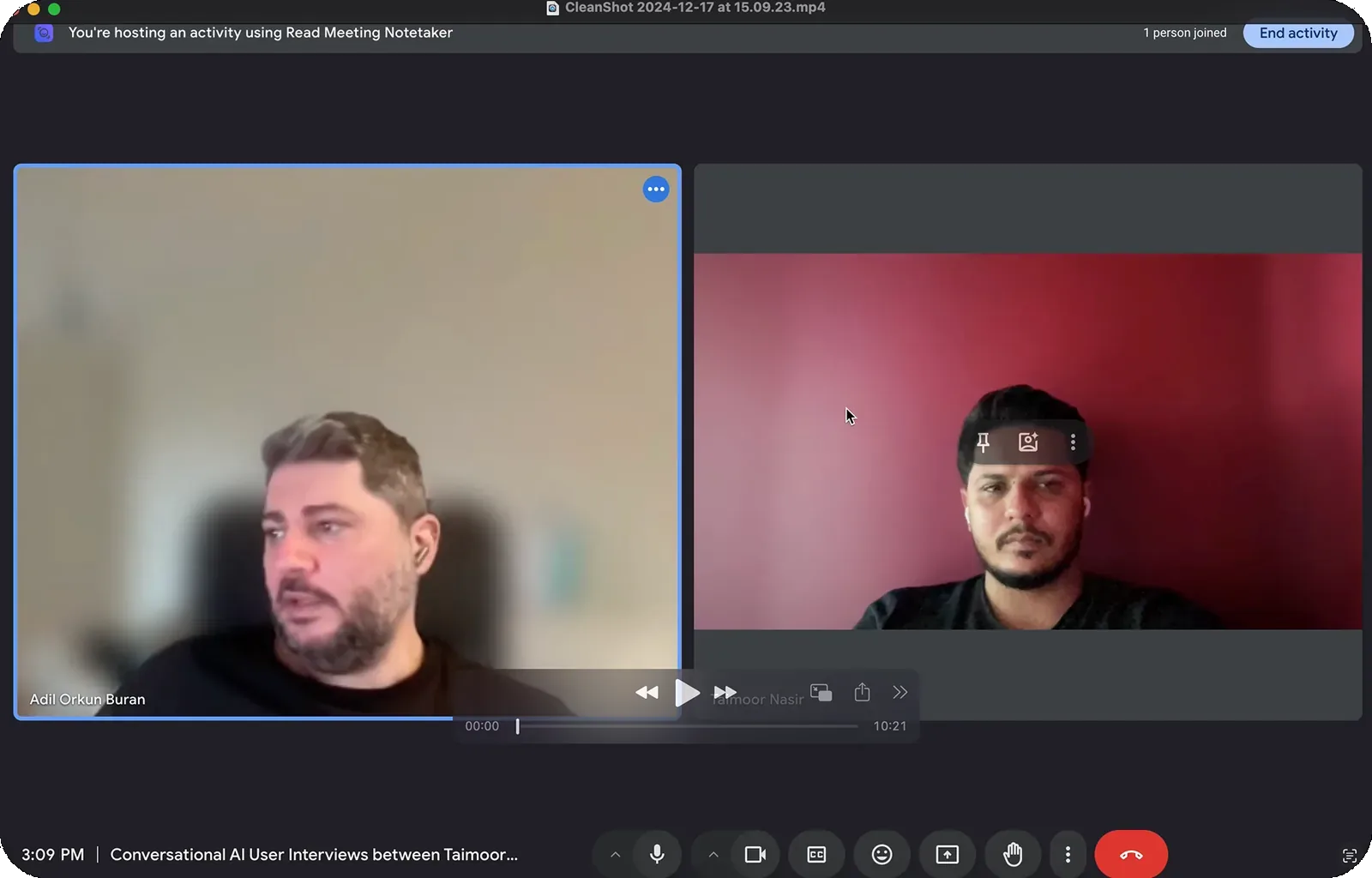
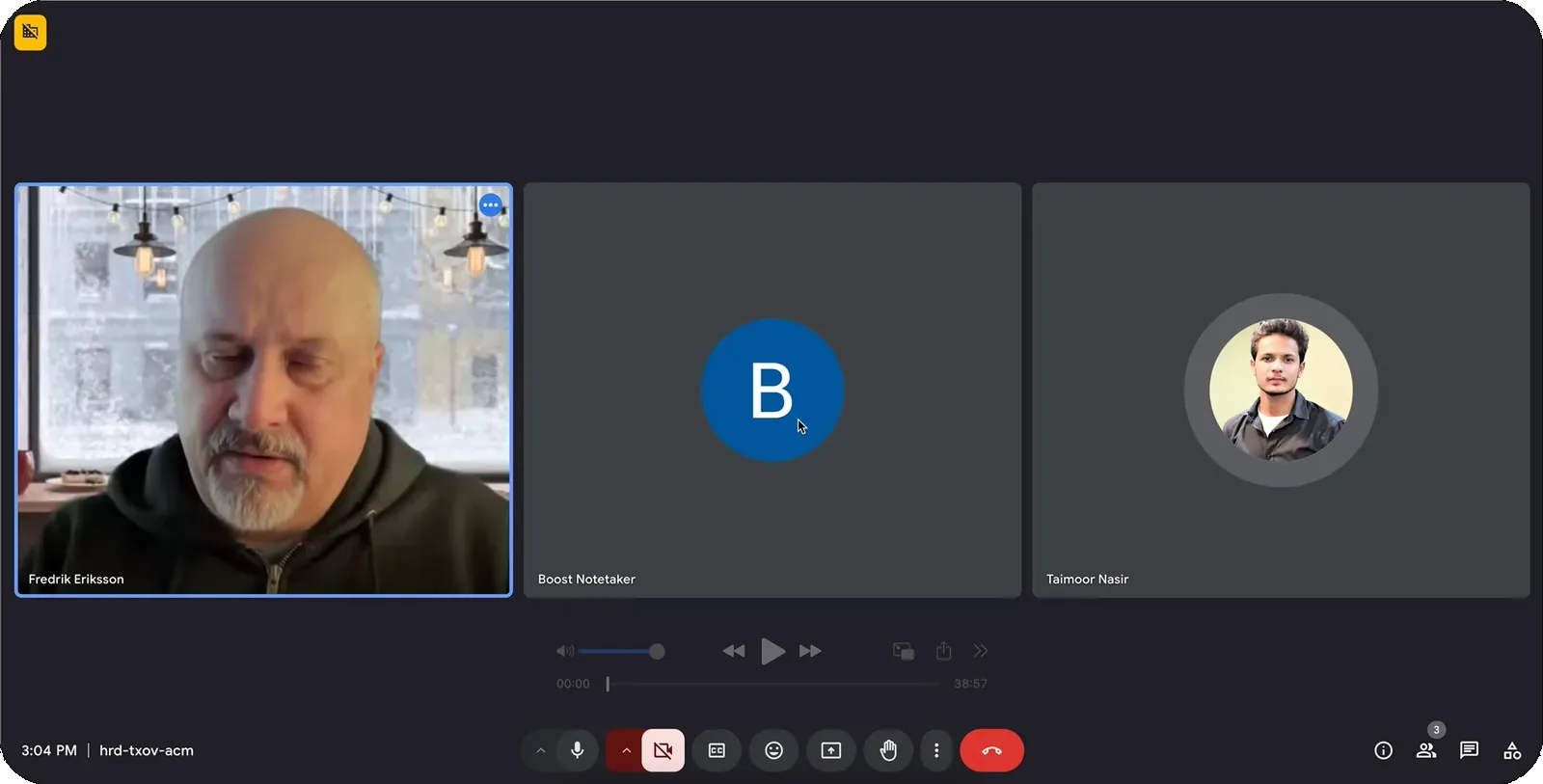
User interviews
In-depth interviews with support leaders and agents across healthcare and corporate support.
What the interviews revealed
Healthcare professionals
- Patient-facing, emotionally sensitive calls: the AI needed a calm, reassuring tone.
- Robotic, impersonal responses made patients uncomfortable.
Corporate agents
- High-volume support: clear, concise answers with less back-and-forth.
- Slow system integration and AI misinterpretations were the main barriers.
On-site observation
At Reem Hospital
- On emergency calls, agents often had to override the AI when it missed the urgency.
- Medical staff wanted better AI workflow suggestions for confirming and rescheduling appointments.
At Axiom
- Call misrouting from AI misunderstanding pushed average call times up.
- Agents often fell back to manual handling, which chipped away at trust in the AI.
The impact
What changed after the redesign.
Faster onboarding
Organisation onboarding time fell by 75%: a structured, no-code flow replaced manual, code-based setup.
Setup without engineers
Administrators configure organisations, agents and knowledge themselves, instead of waiting on code changes.
Bilingual by design
Arabic and English interfaces, mirrored rather than translated.
In production across sectors
Deployed across UAE government, healthcare and enterprise support.
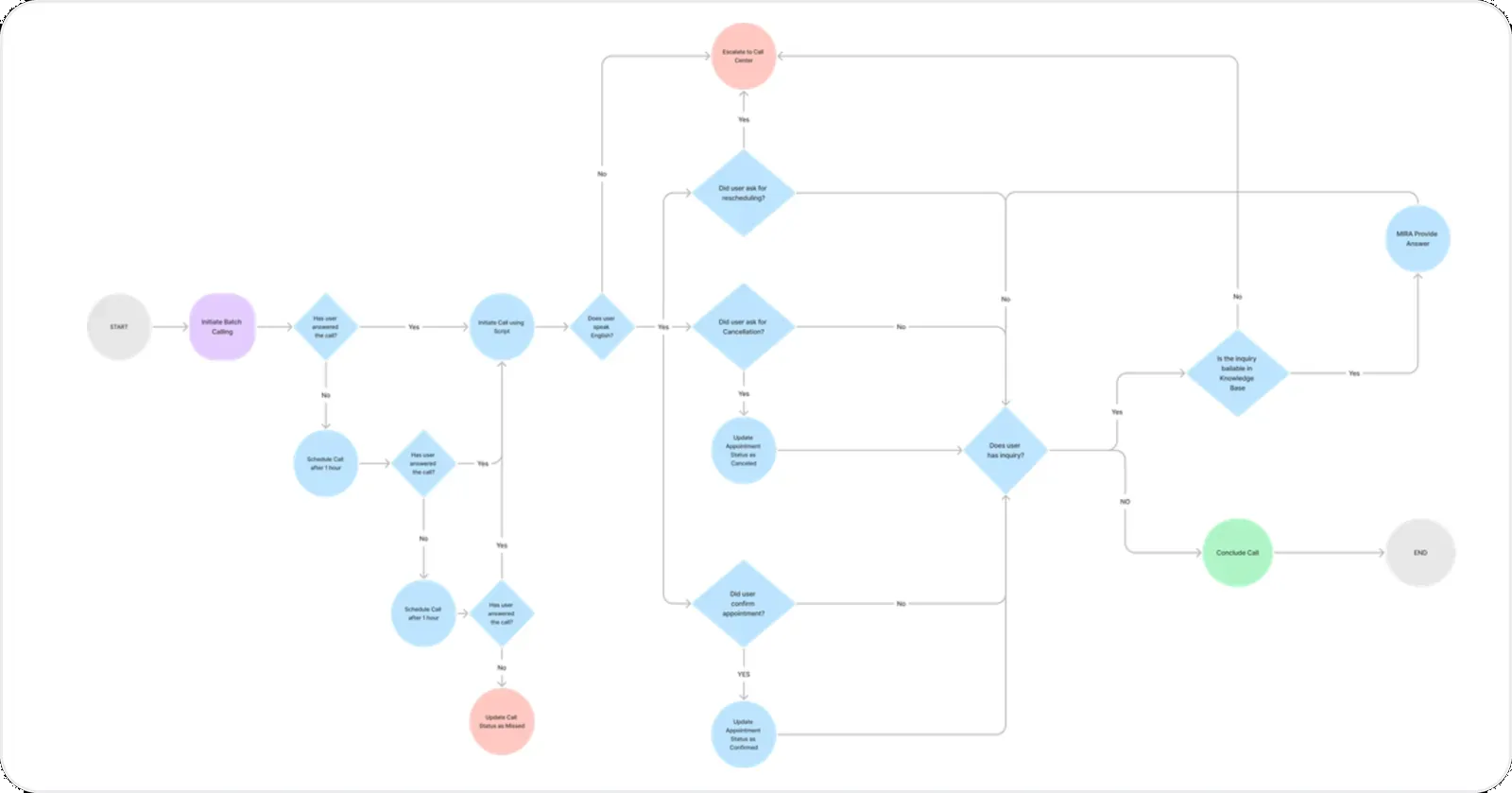
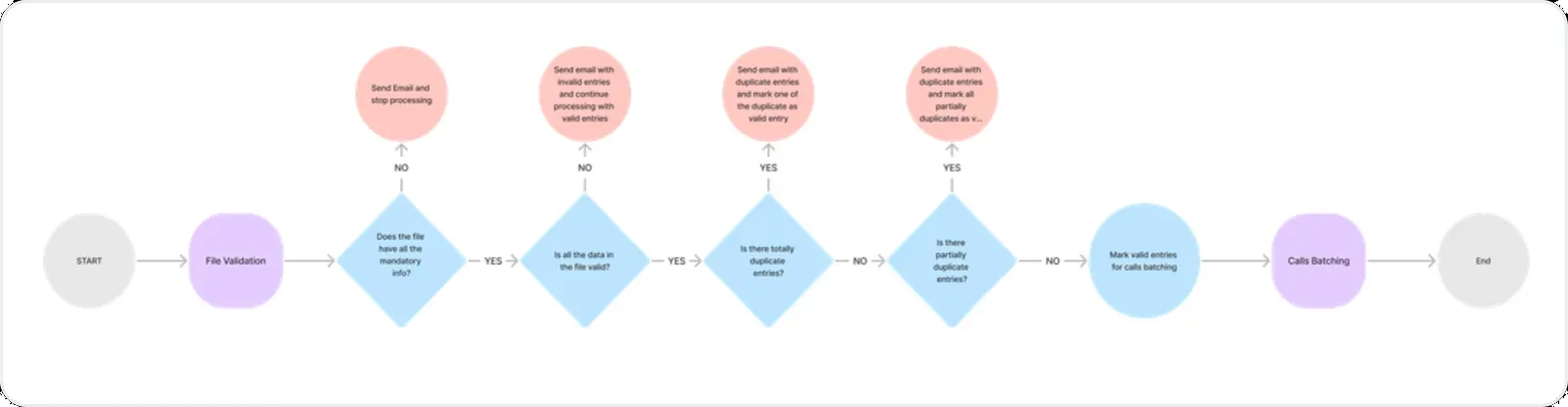
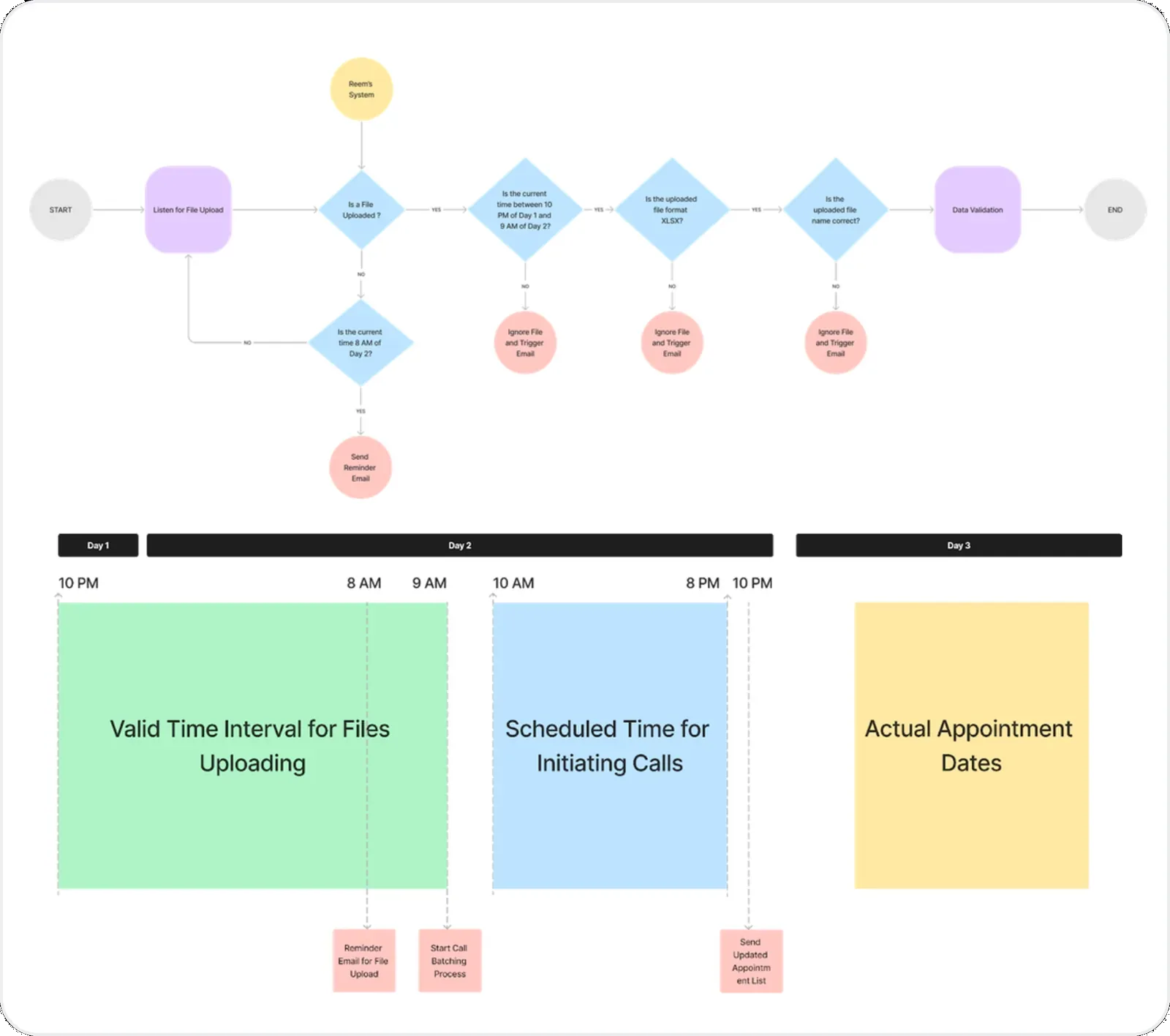
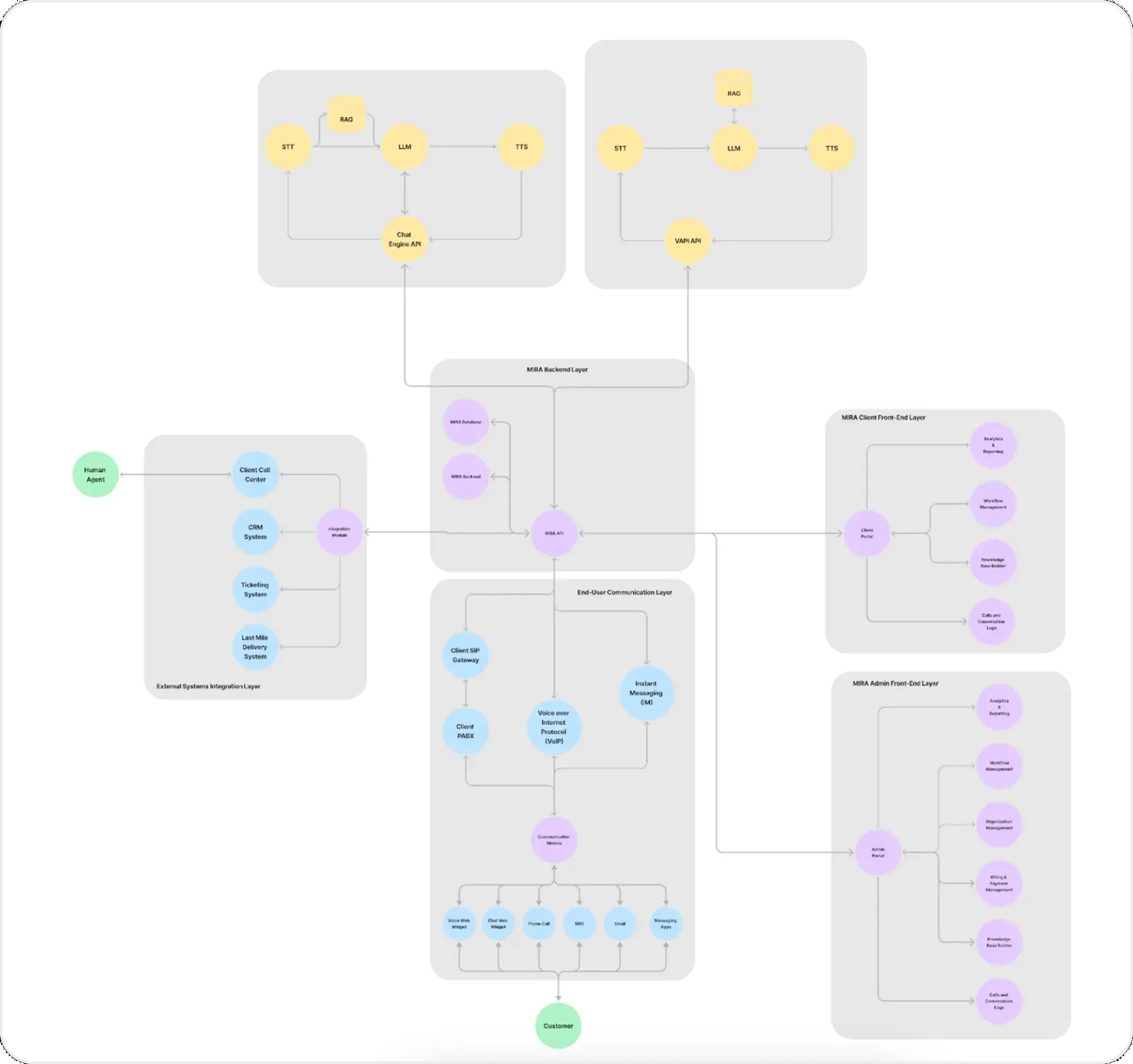
User flow & information architecture
The product
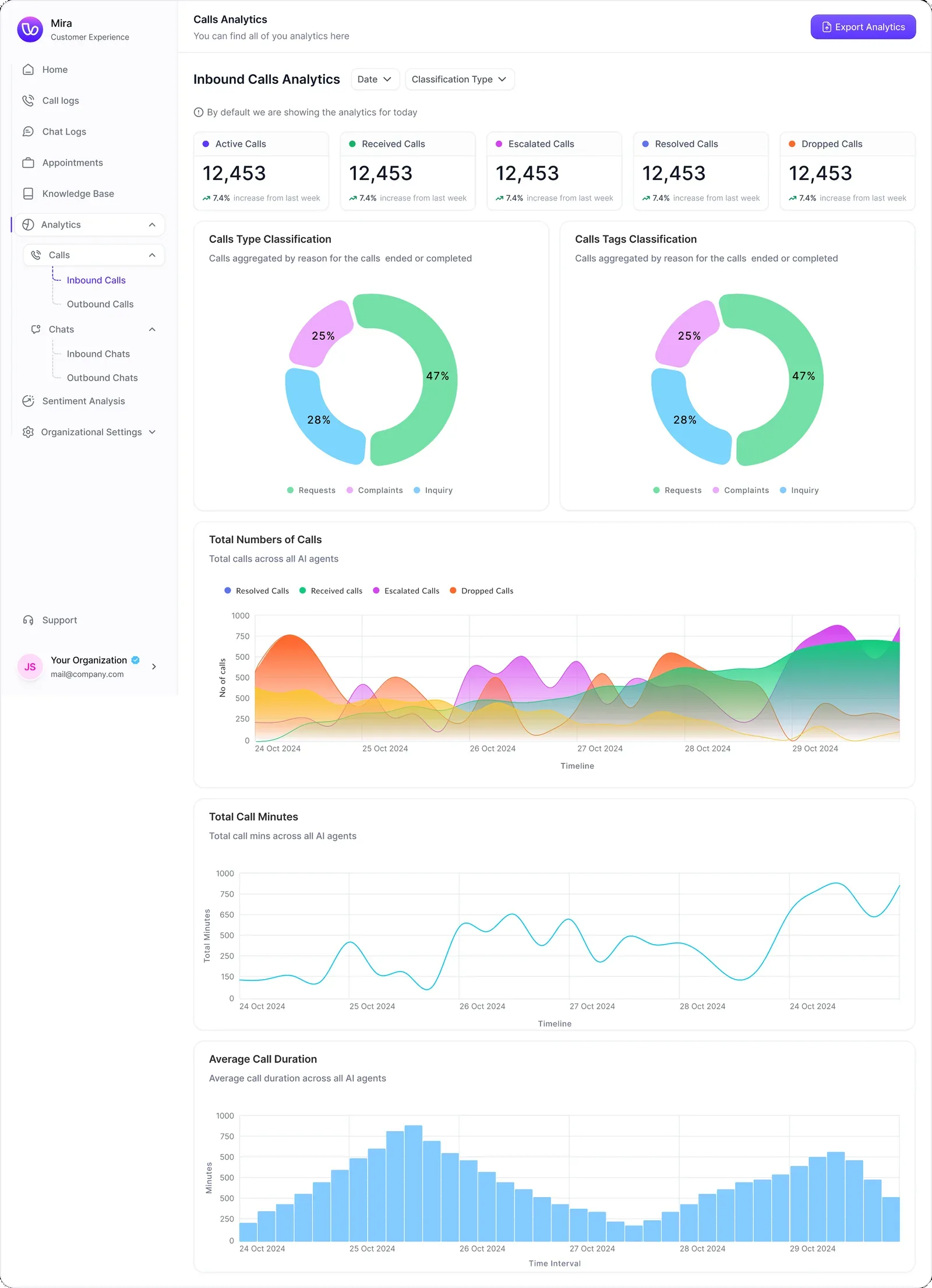
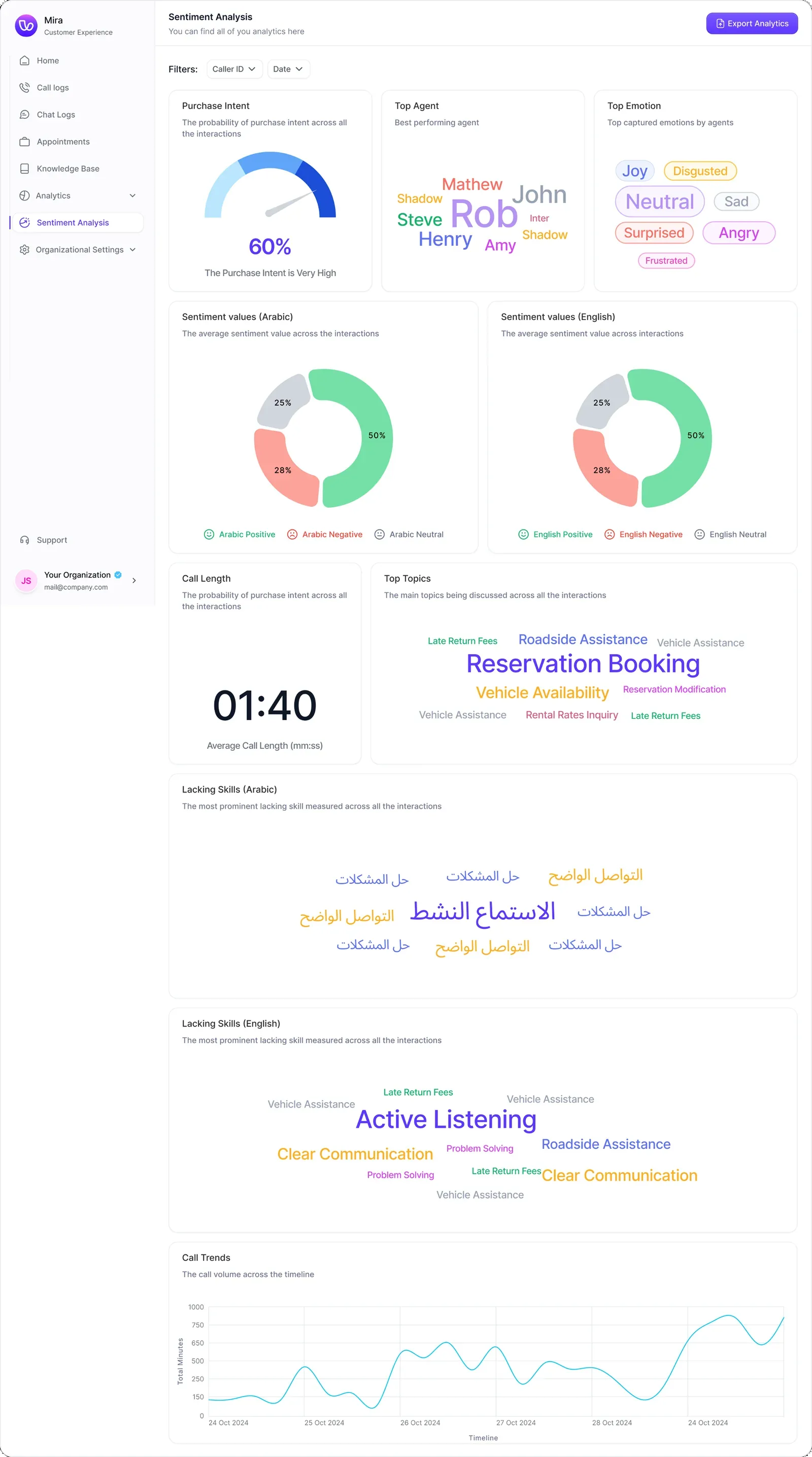
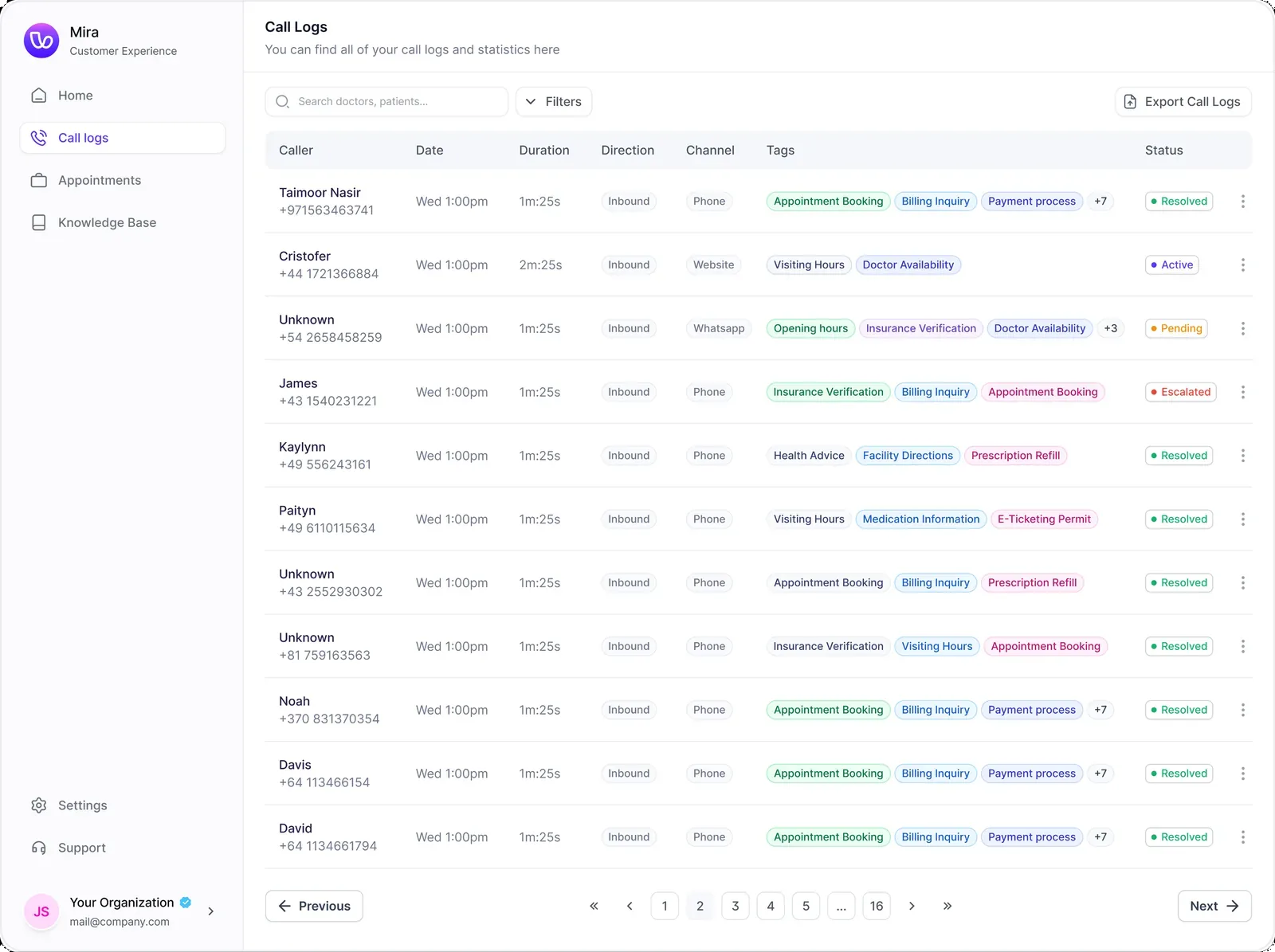
The platform spans sixteen-plus screens — analytics, calls, chats, appointments, the knowledge base, and organisation management. Here they are in full.
Analytics & reporting
Sentiment analysis
Call logs
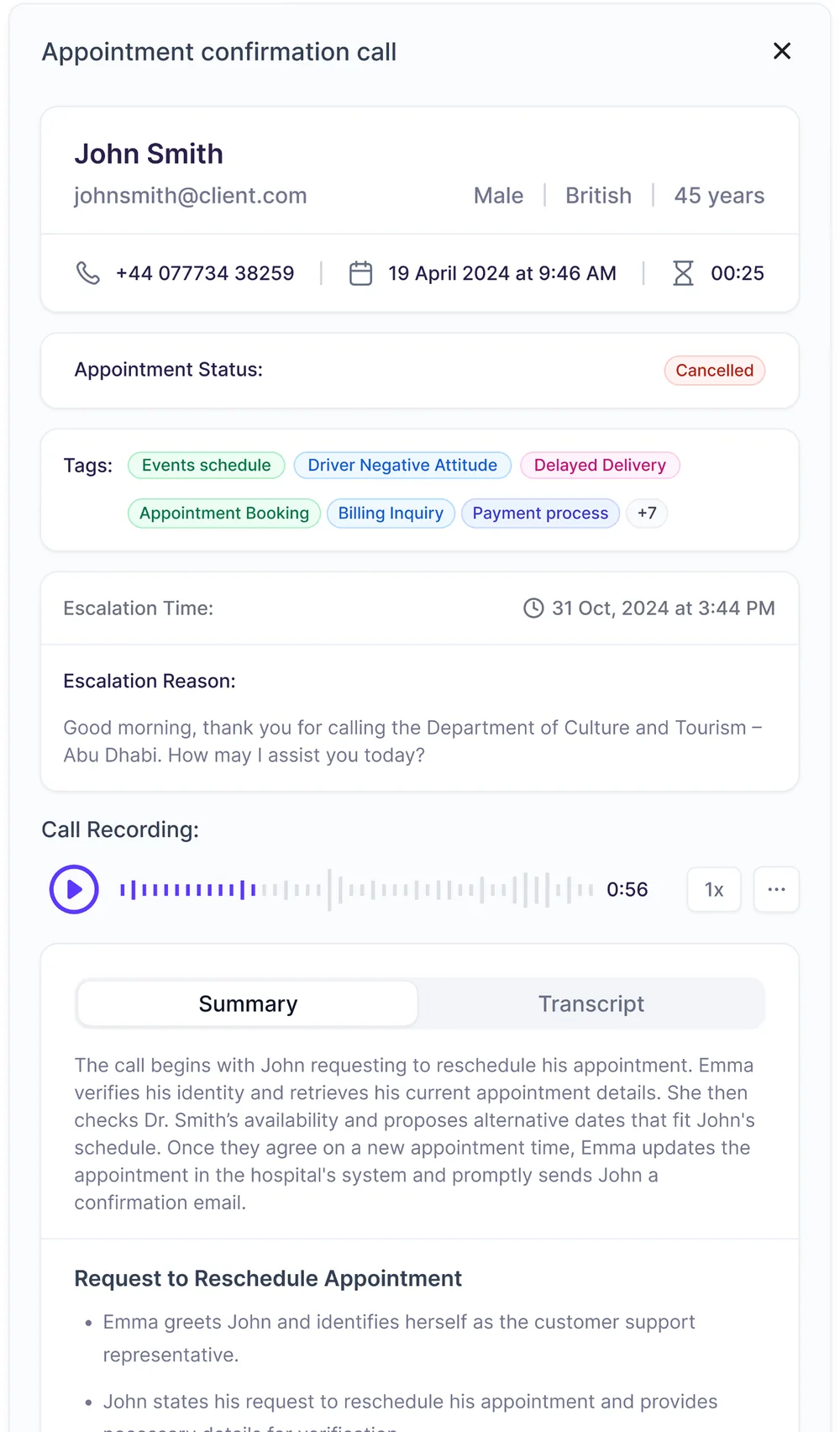
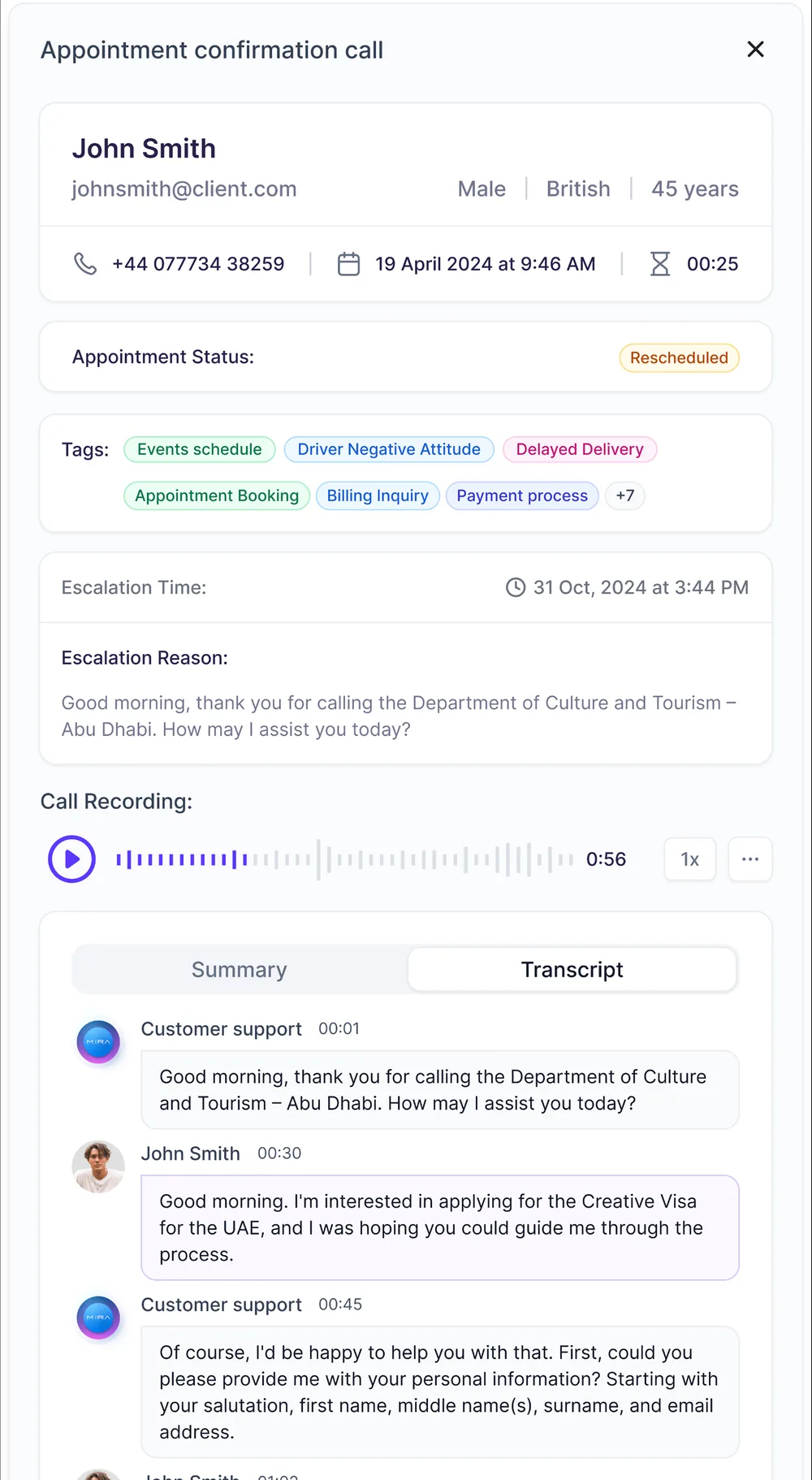
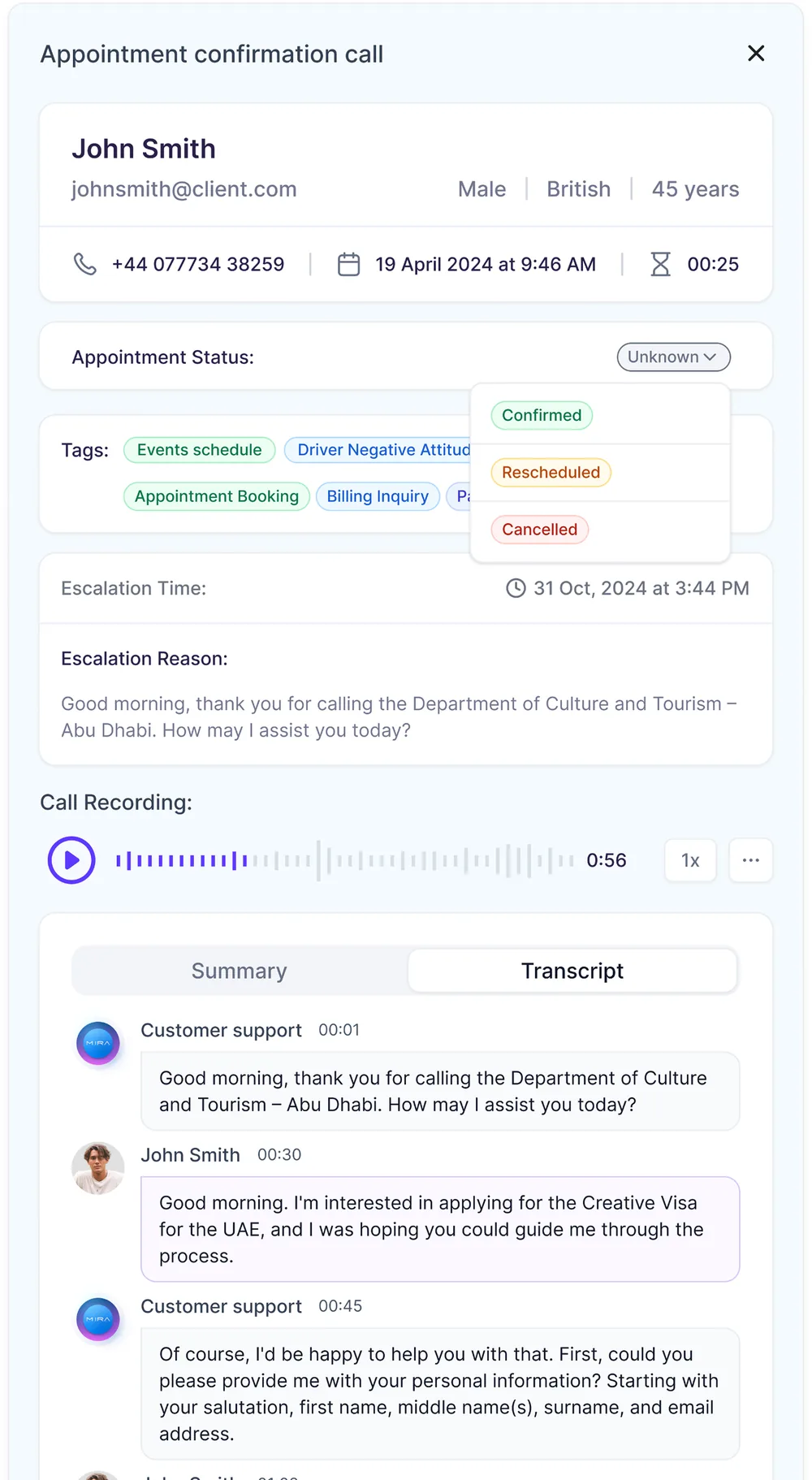
Call detail drawer
Every call opens into a detailed view — recording, transcript, escalation reason, caller and appointment details.
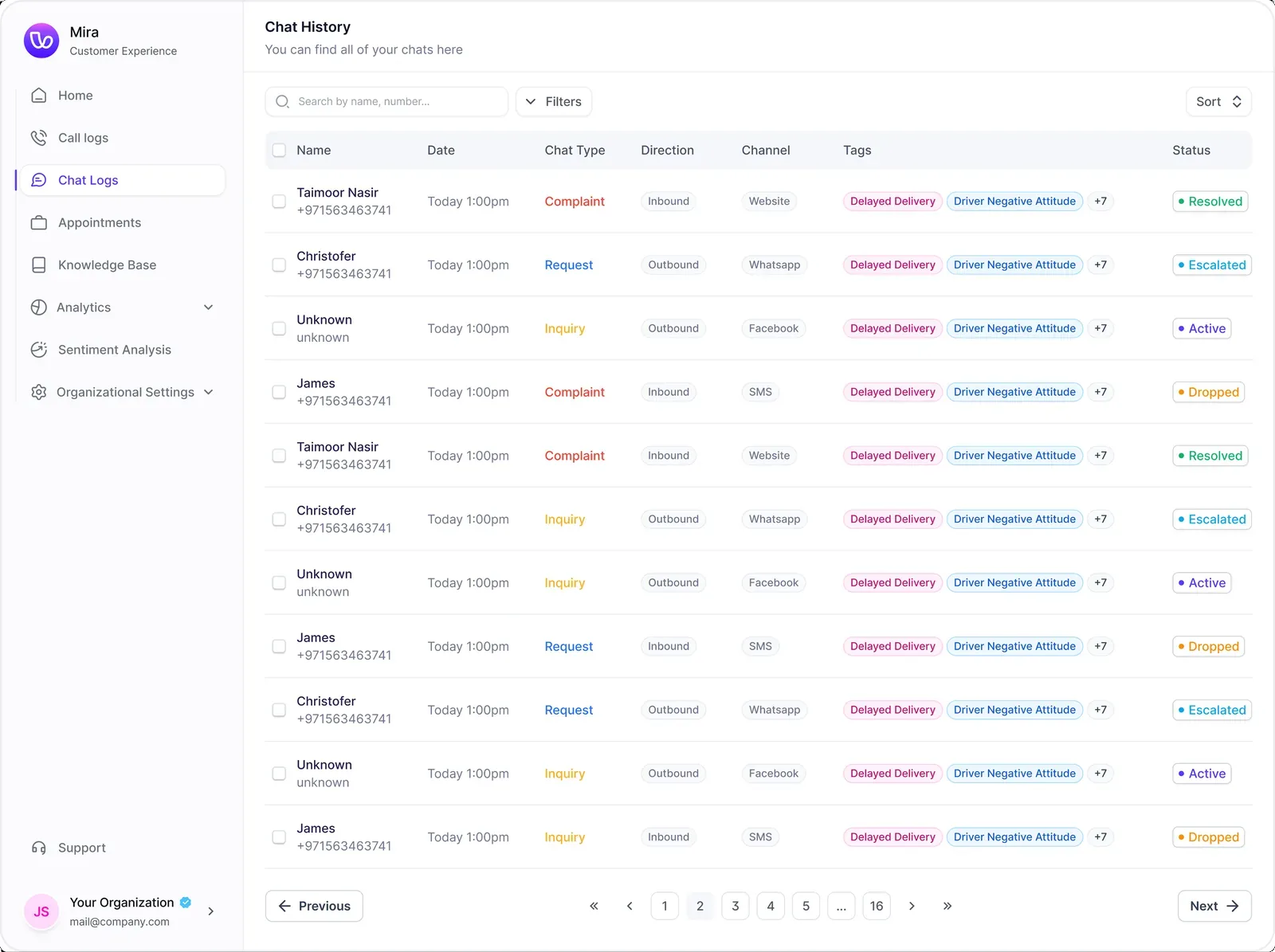
Chat history
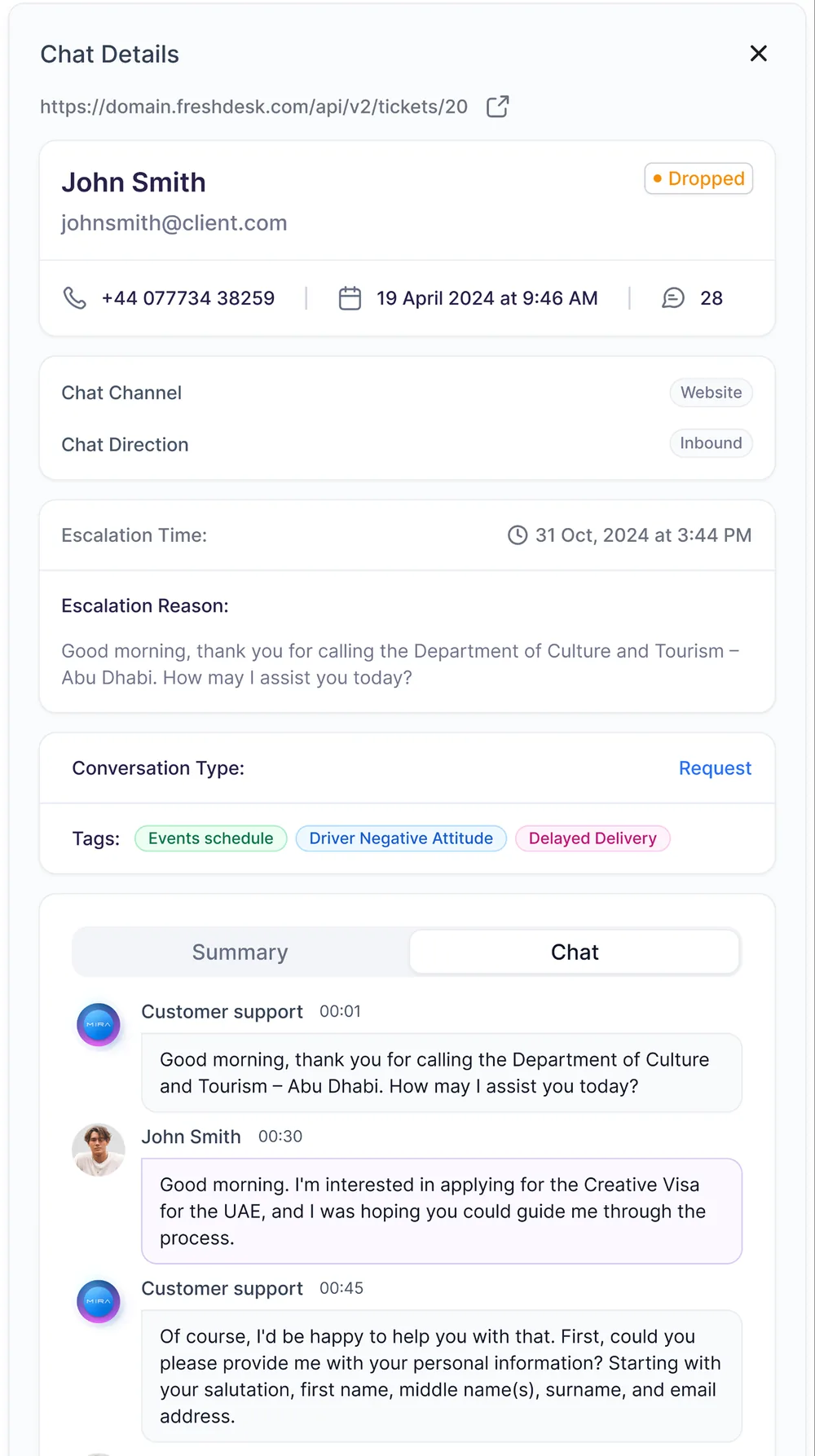
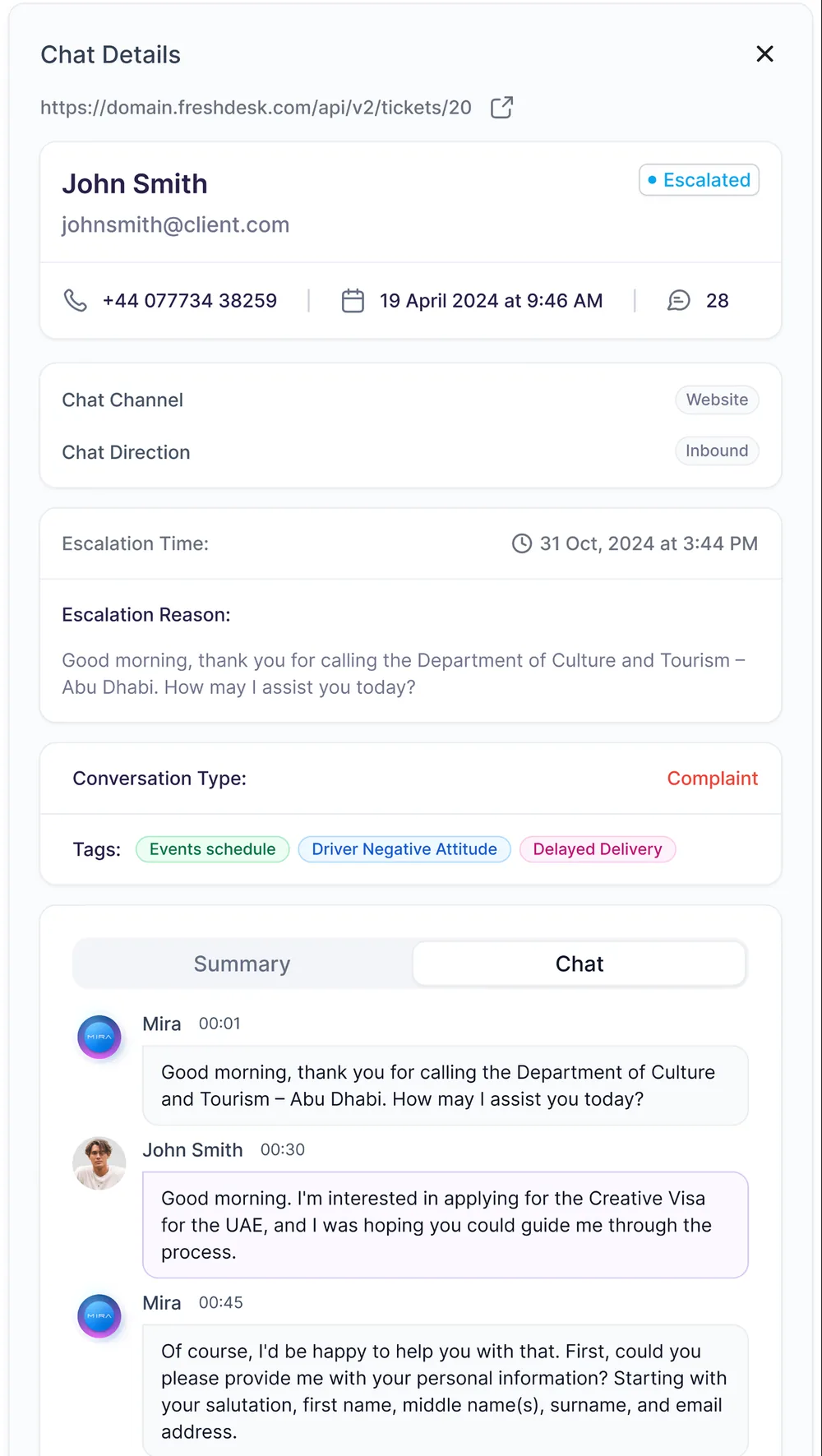
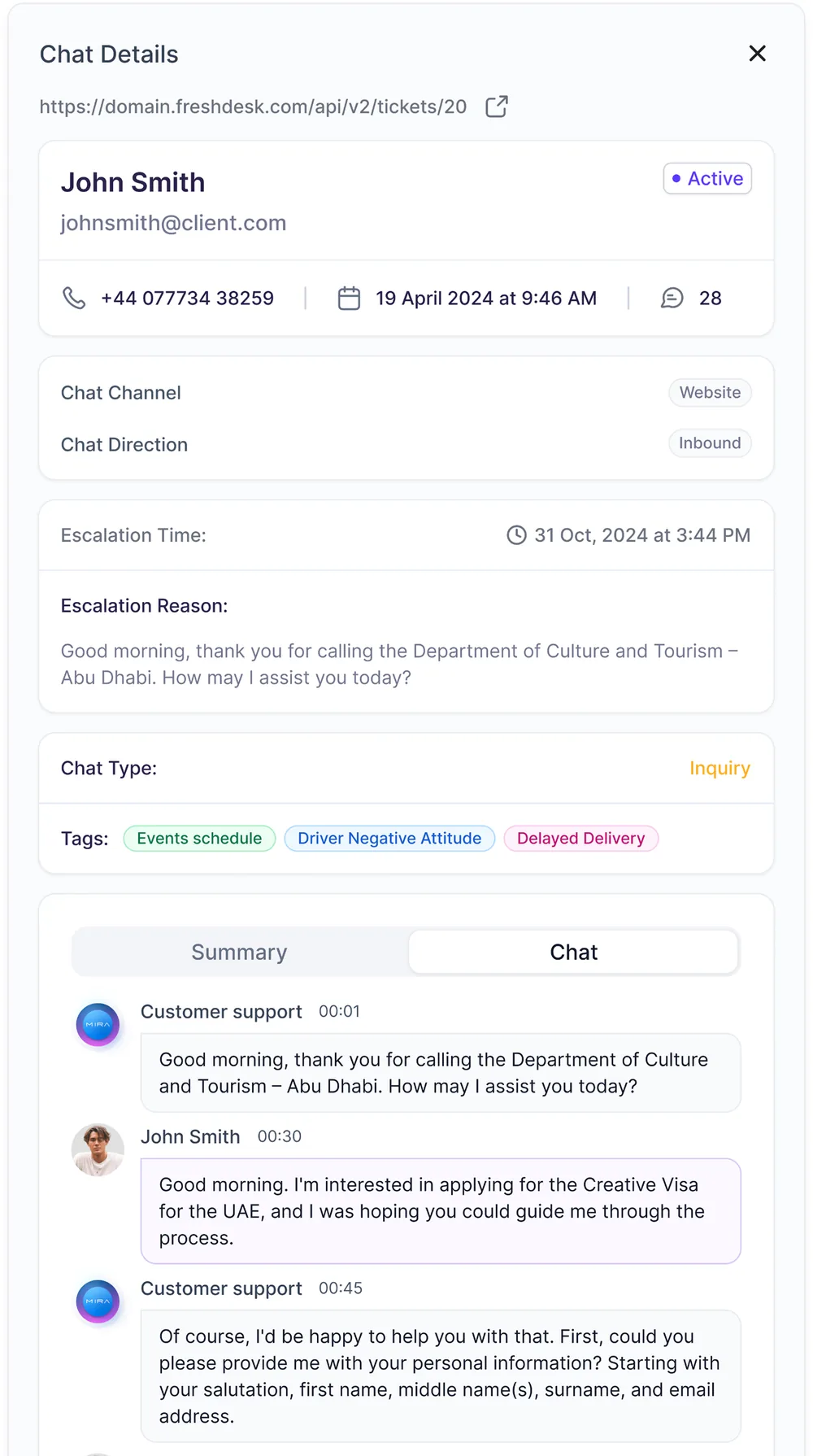
Chat detail drawer
Each chat has a detailed view — channels, escalation reasons, and the full transcript.
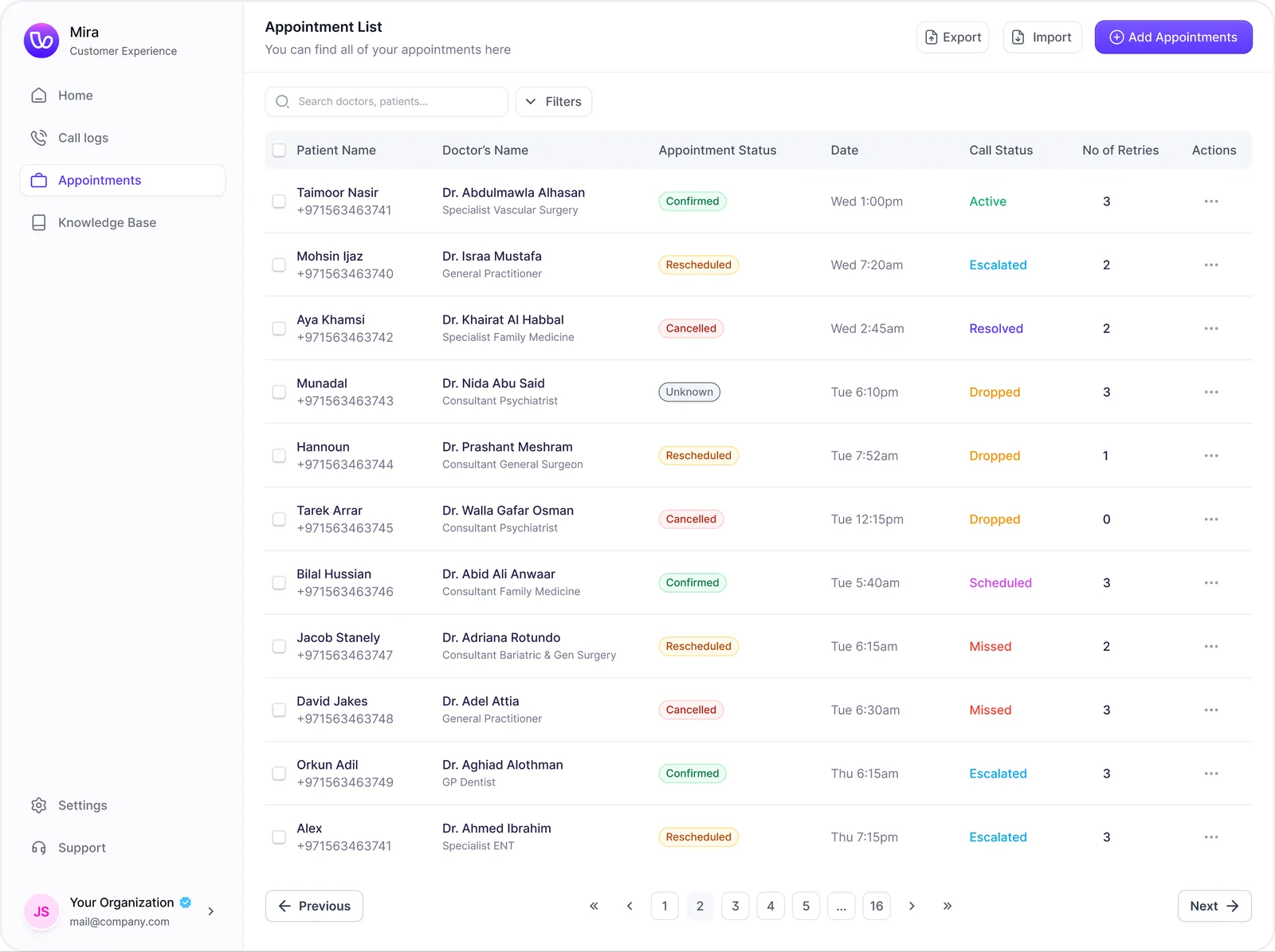
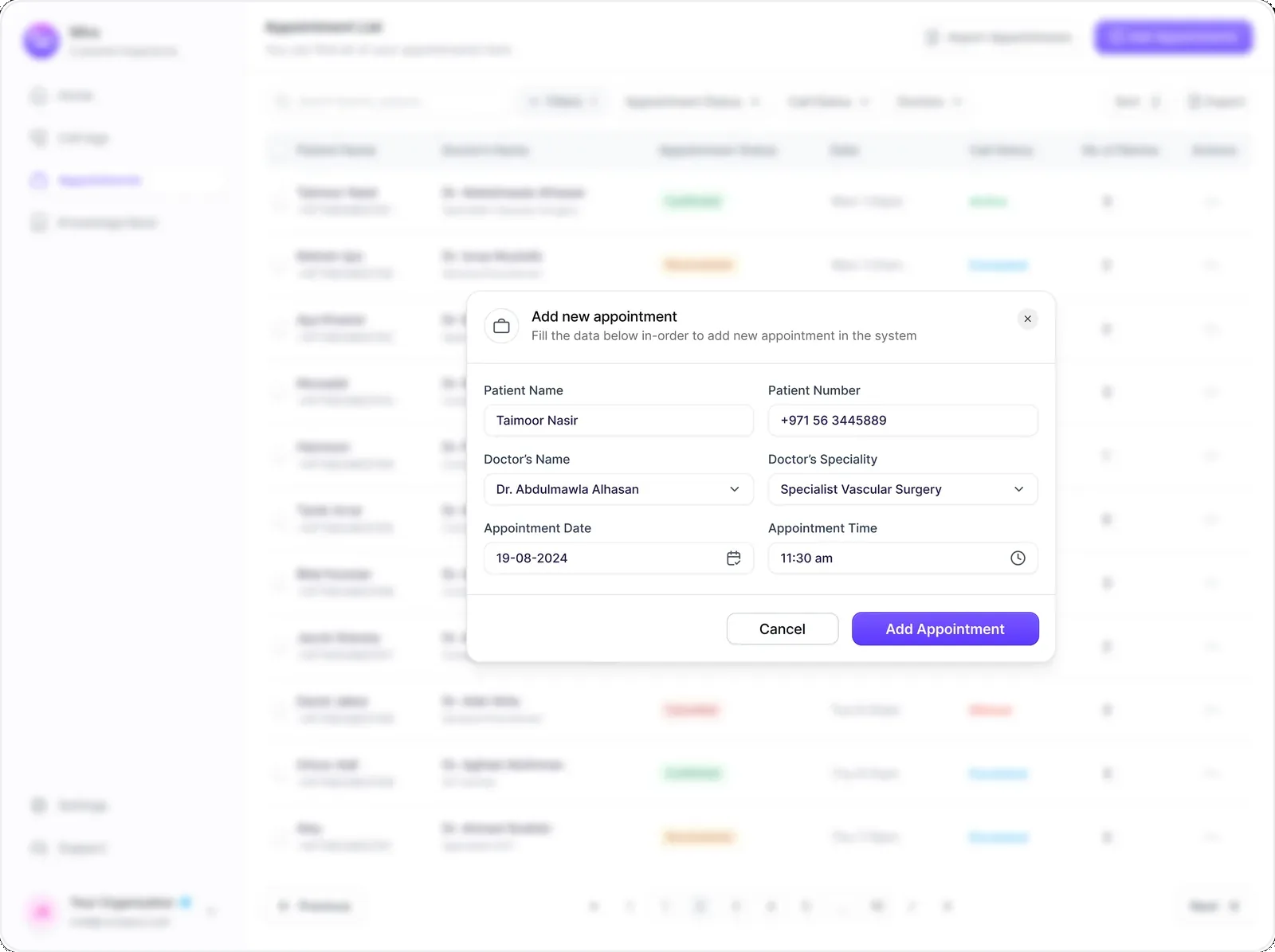
Appointment manager
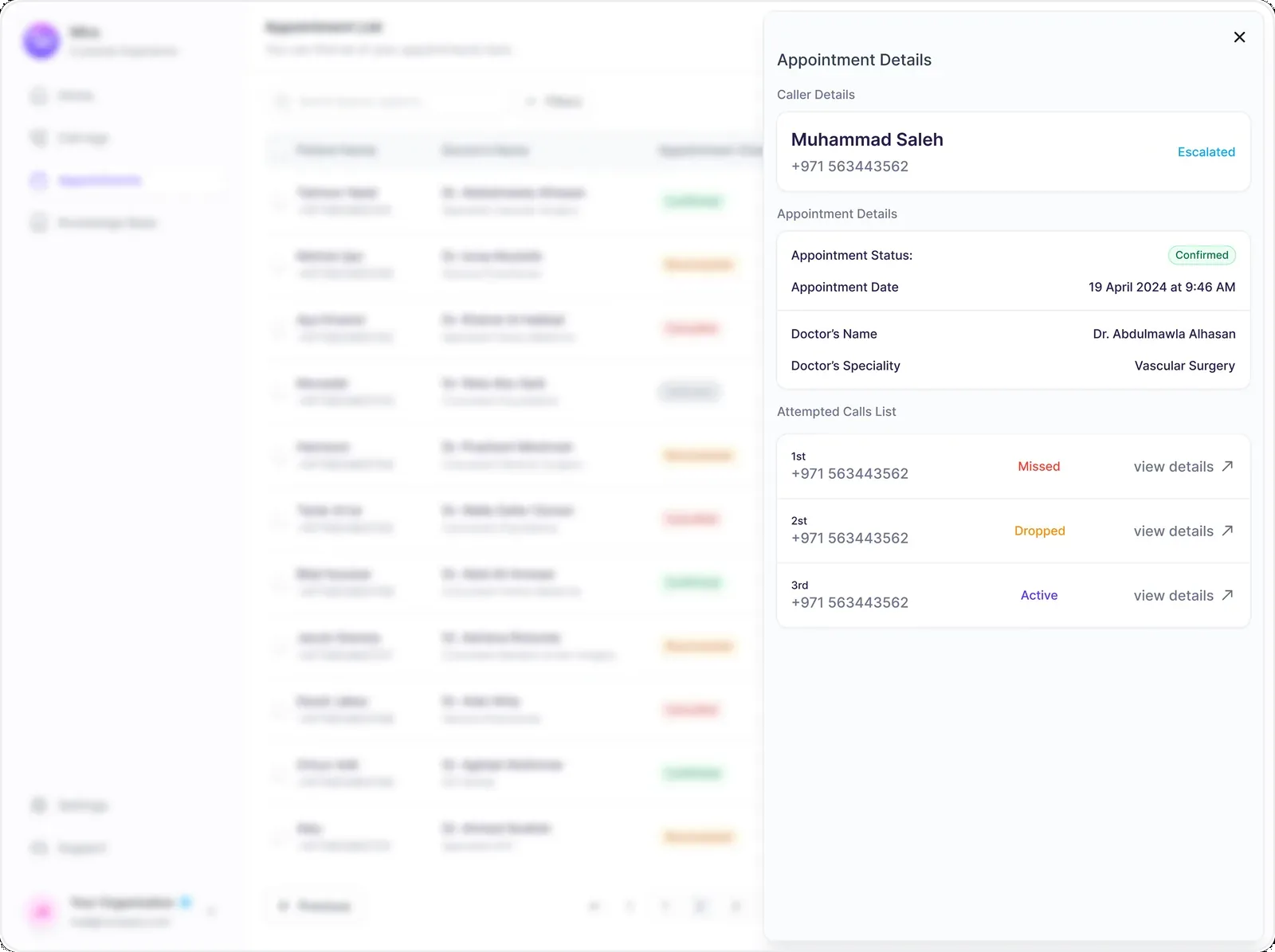
Knowledge base
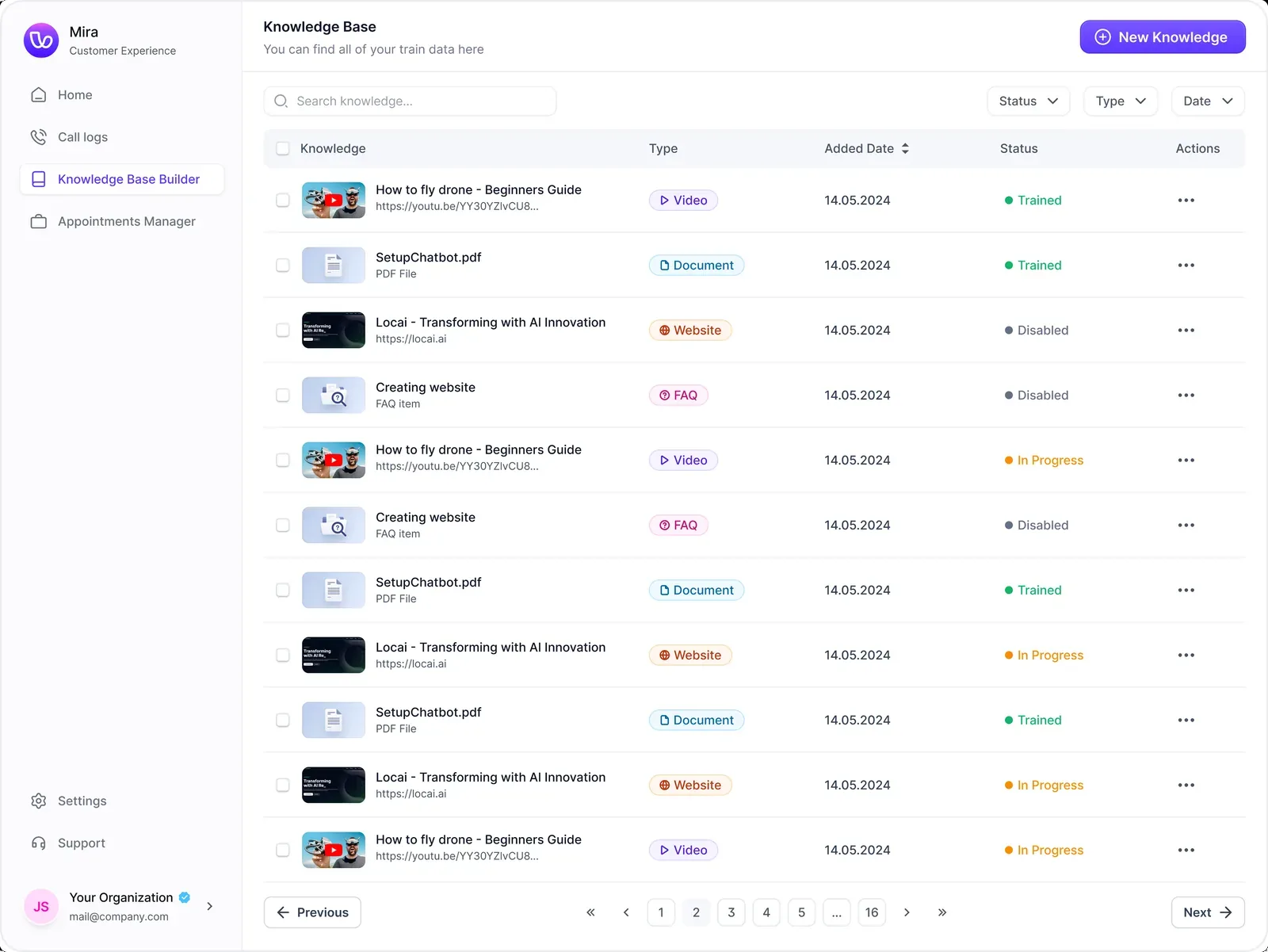
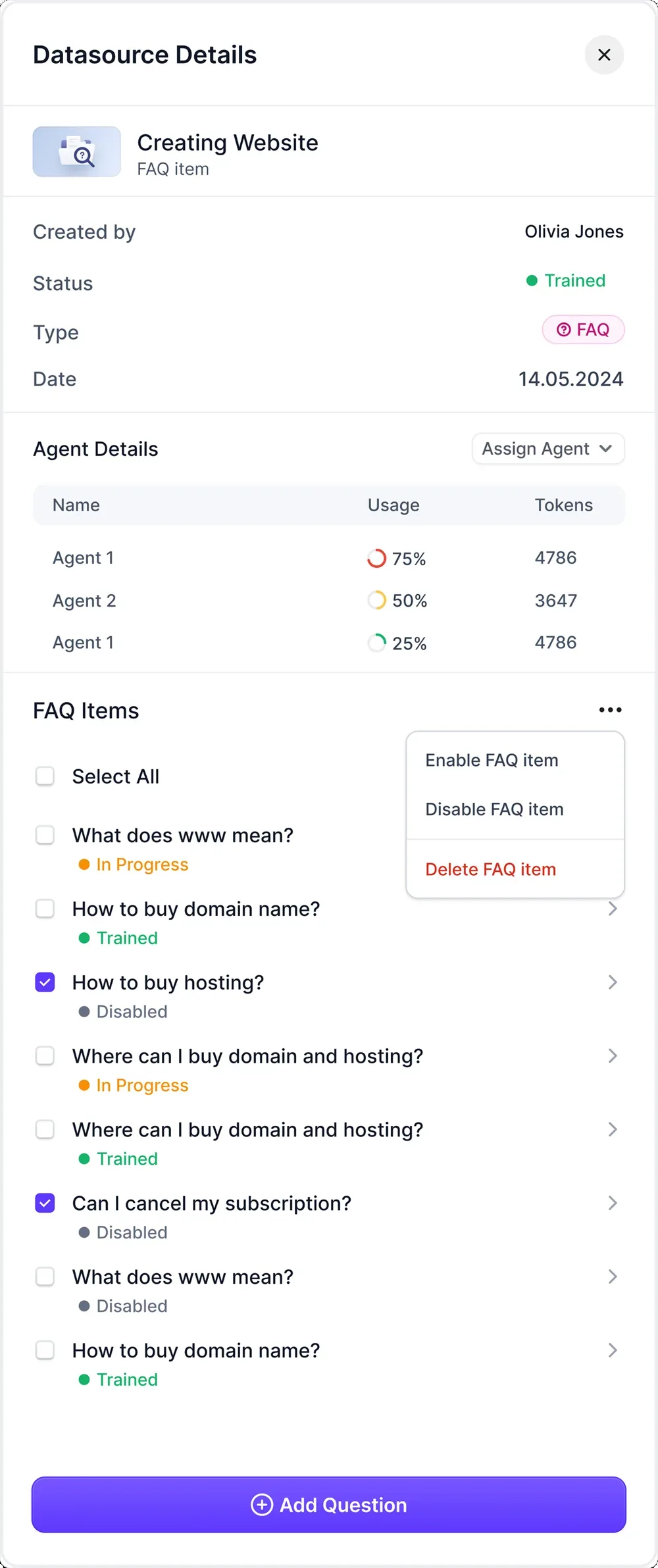
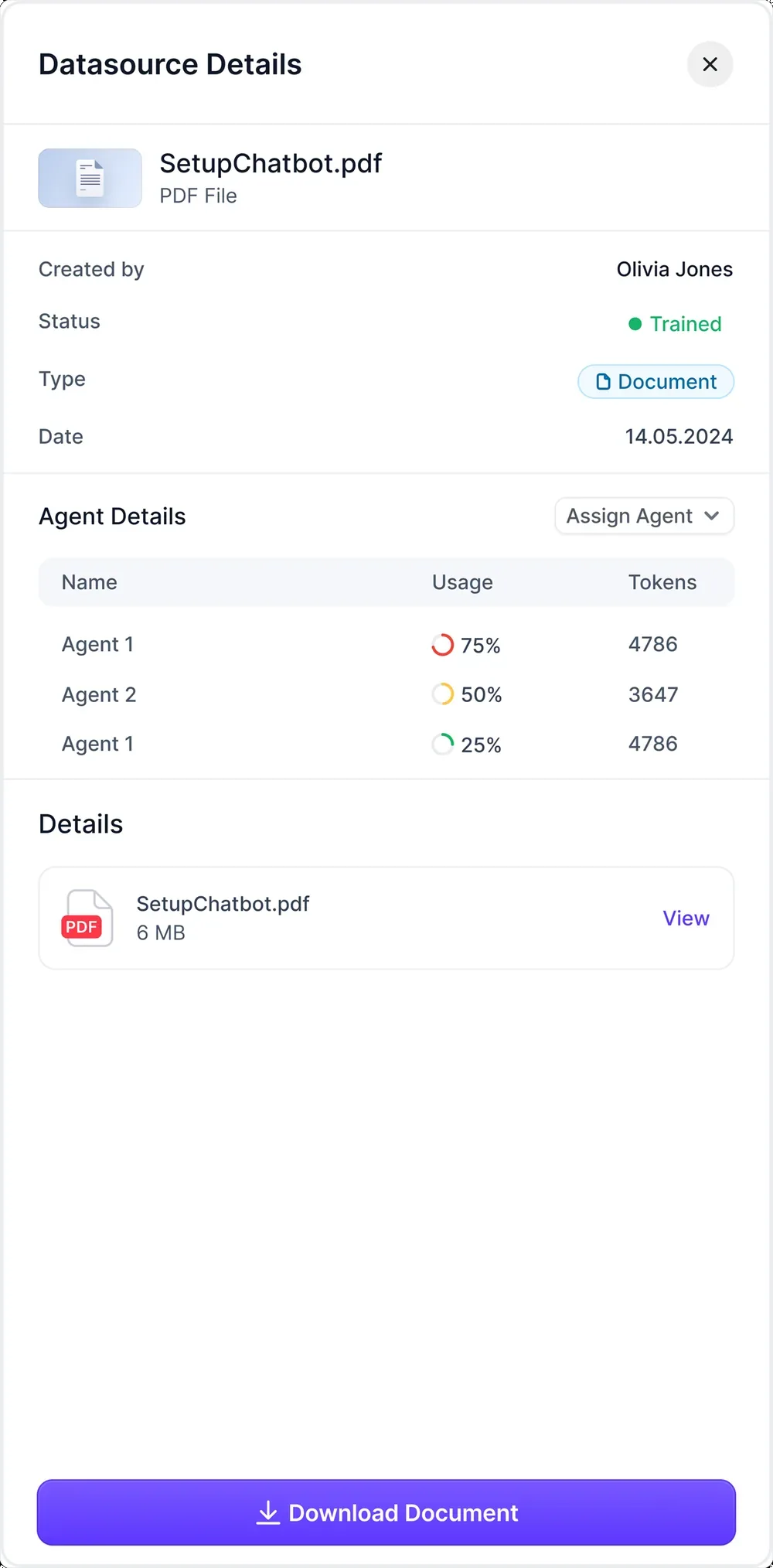
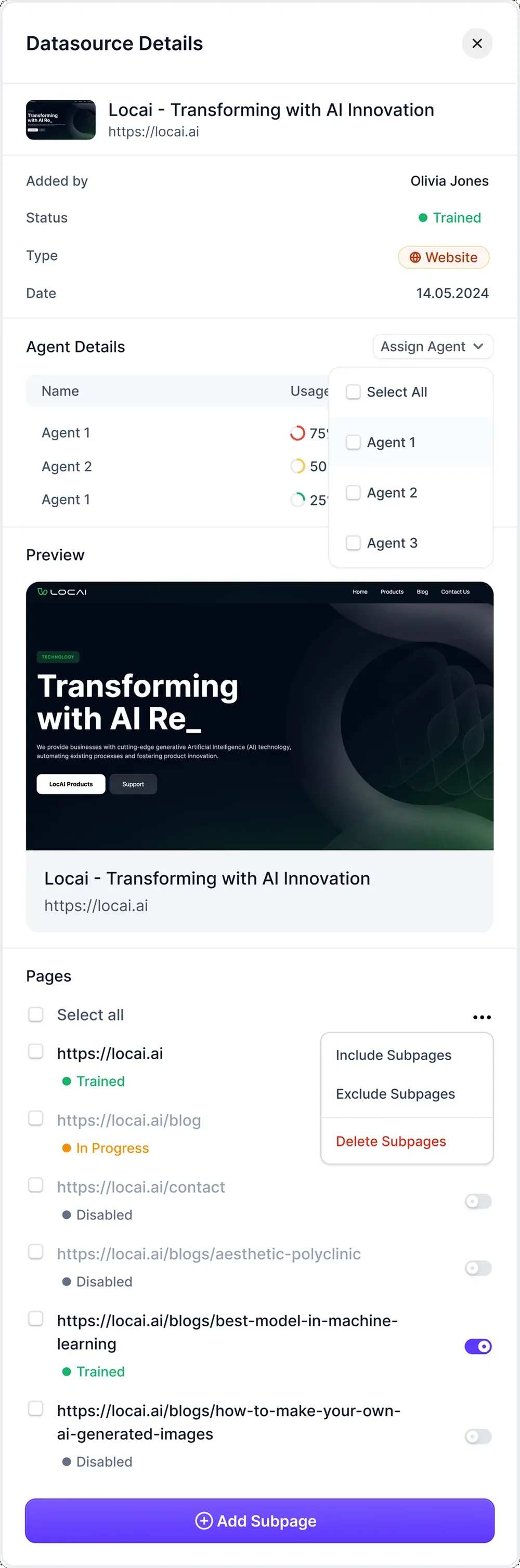
Data source detail
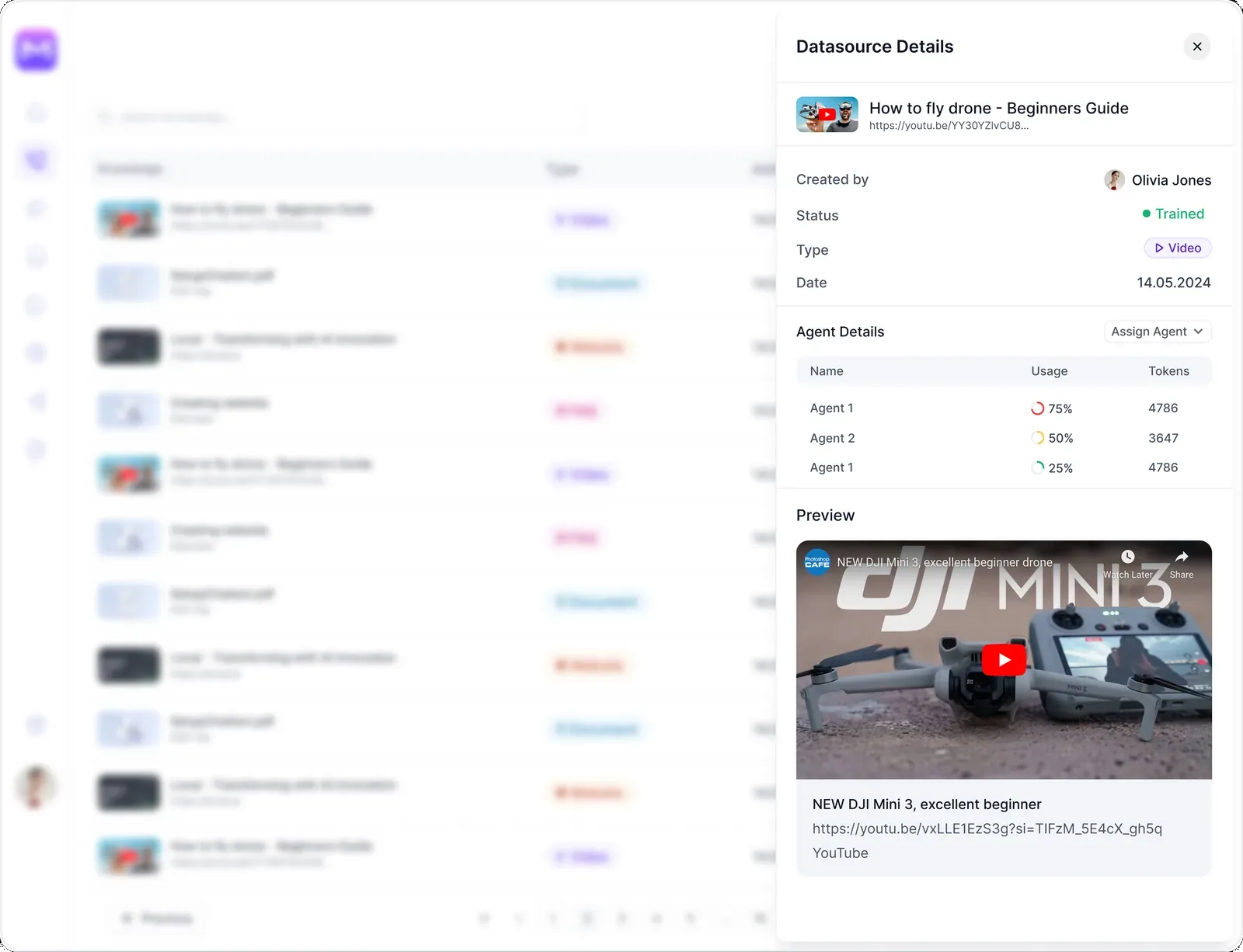
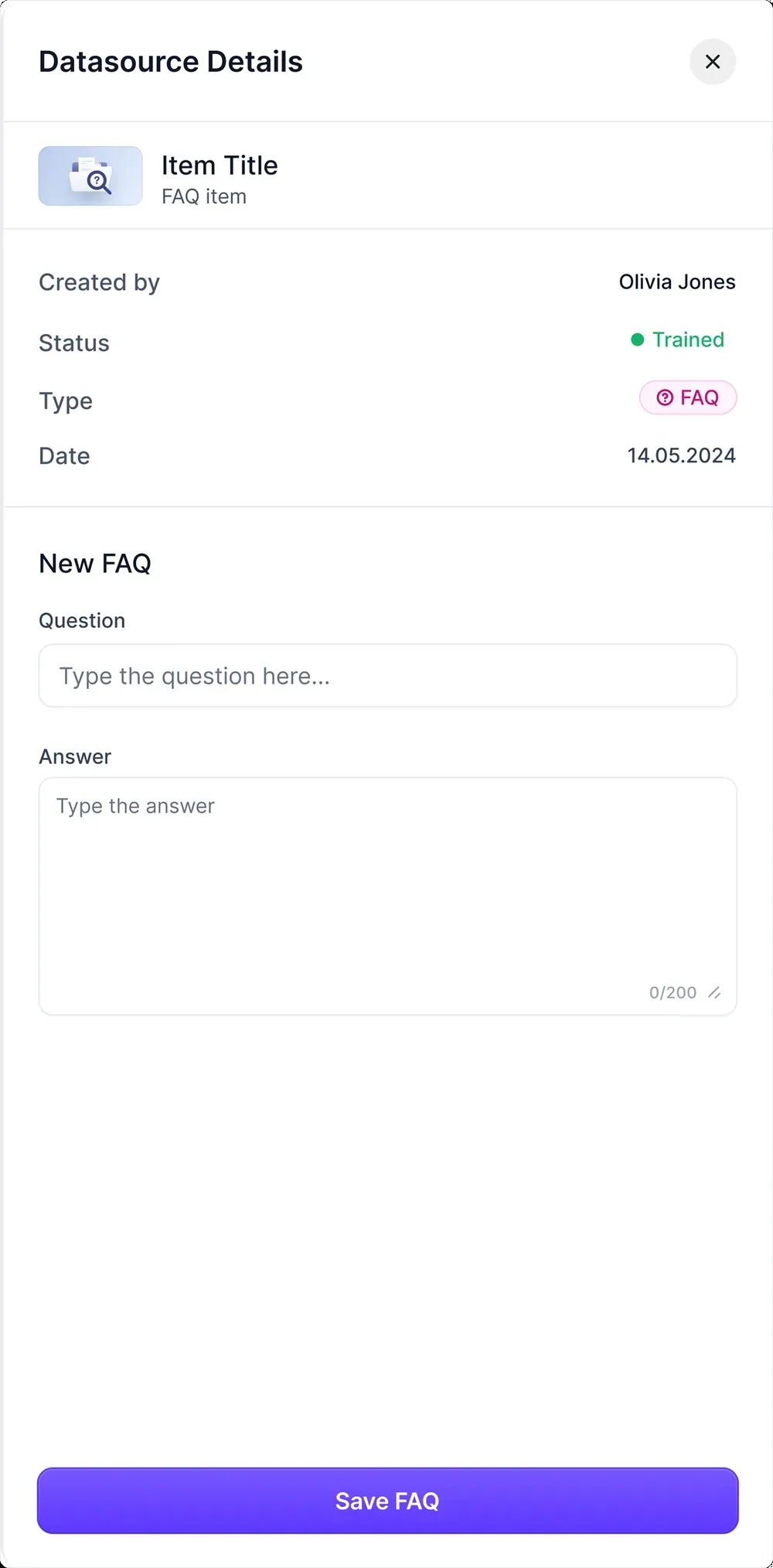
Data source detail views
A tailored detail view for each data-source type — FAQ, website, document, and crawled pages.
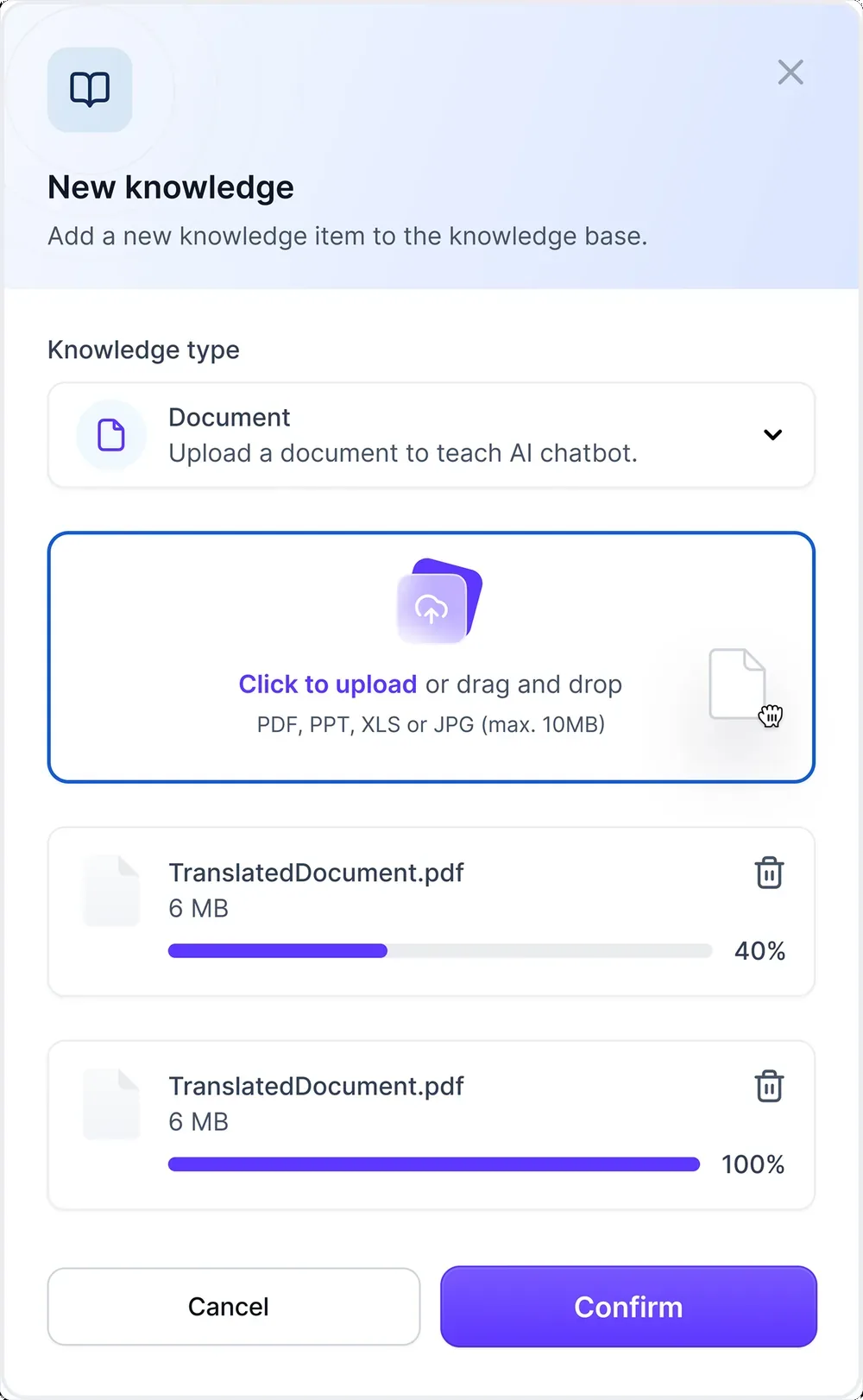
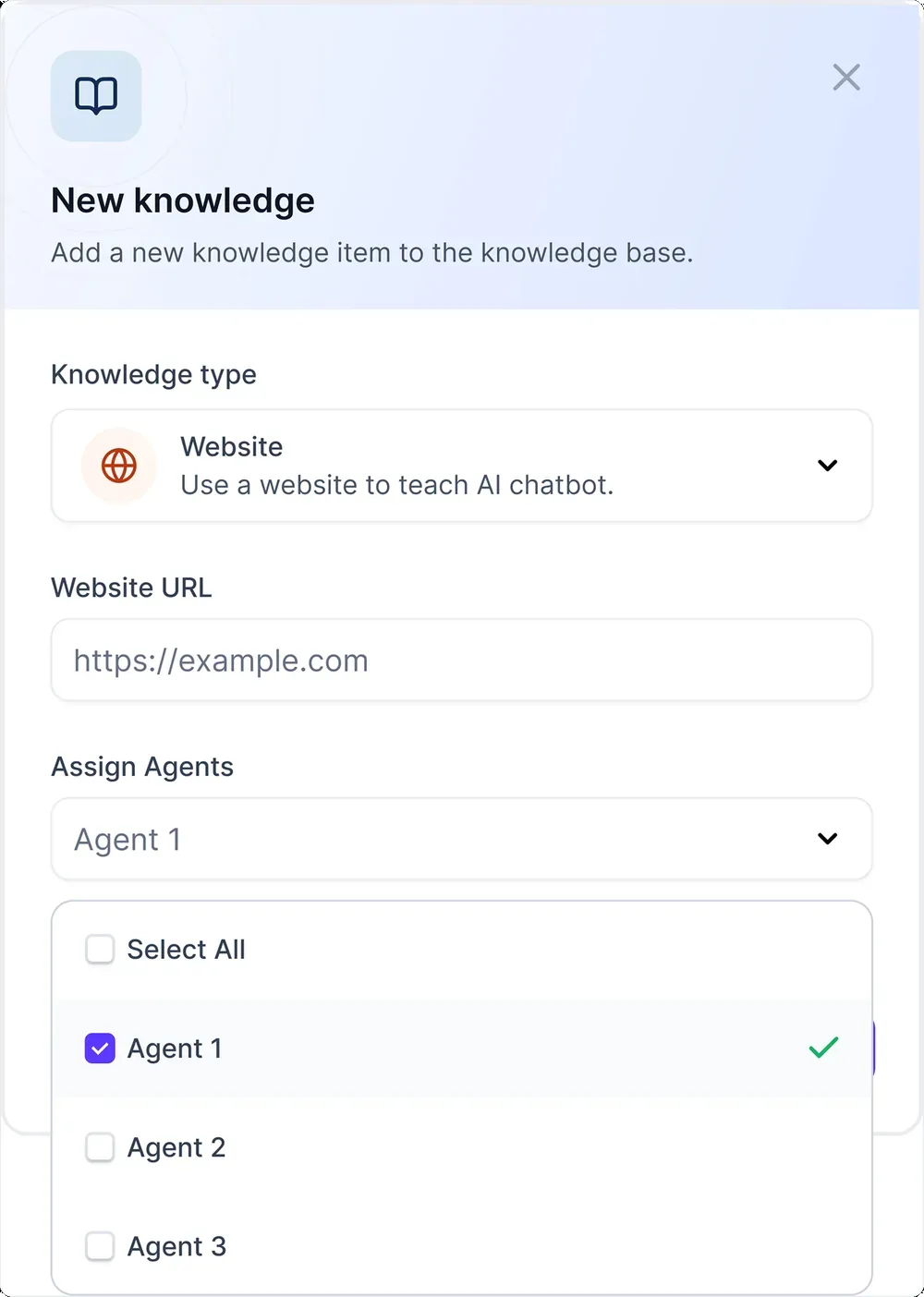
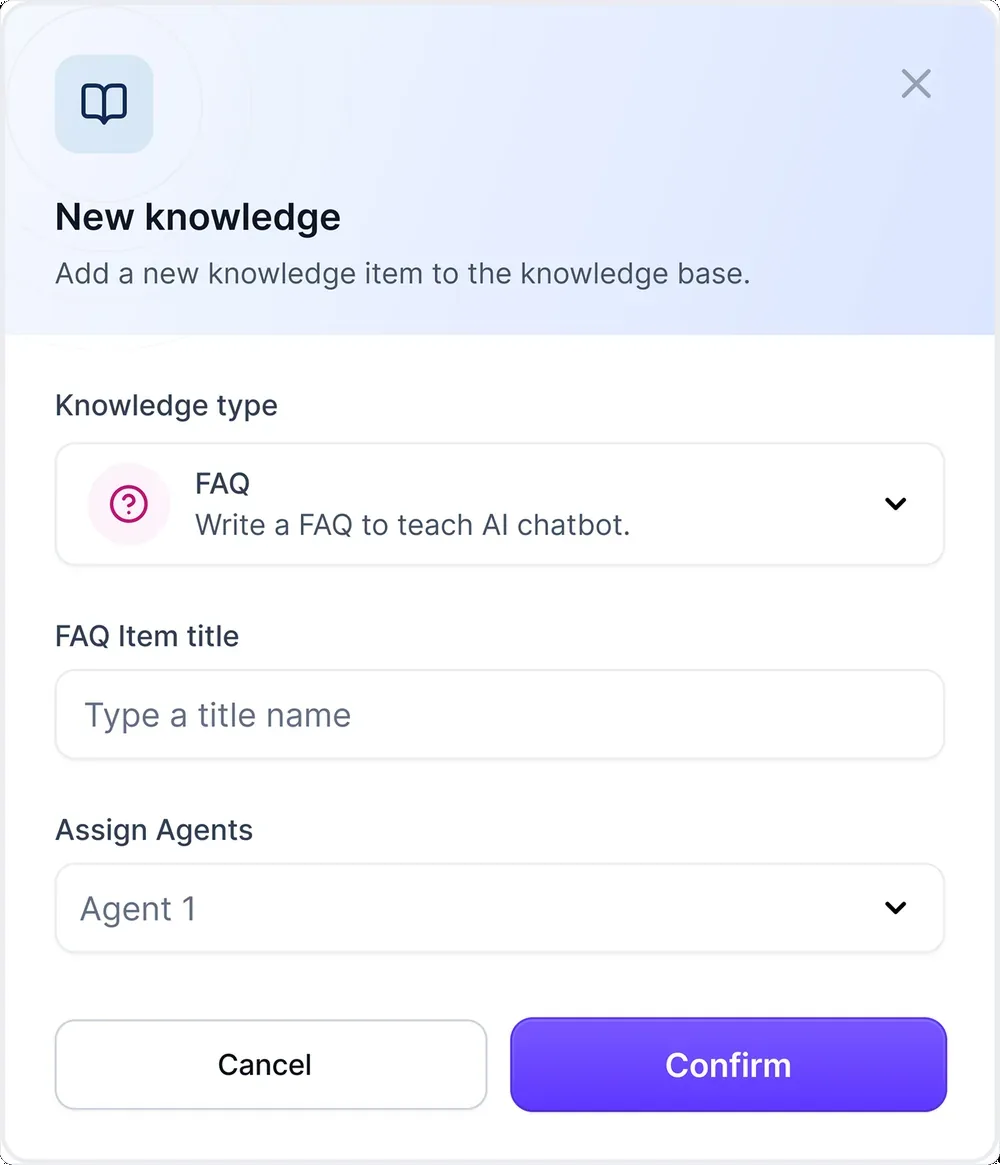
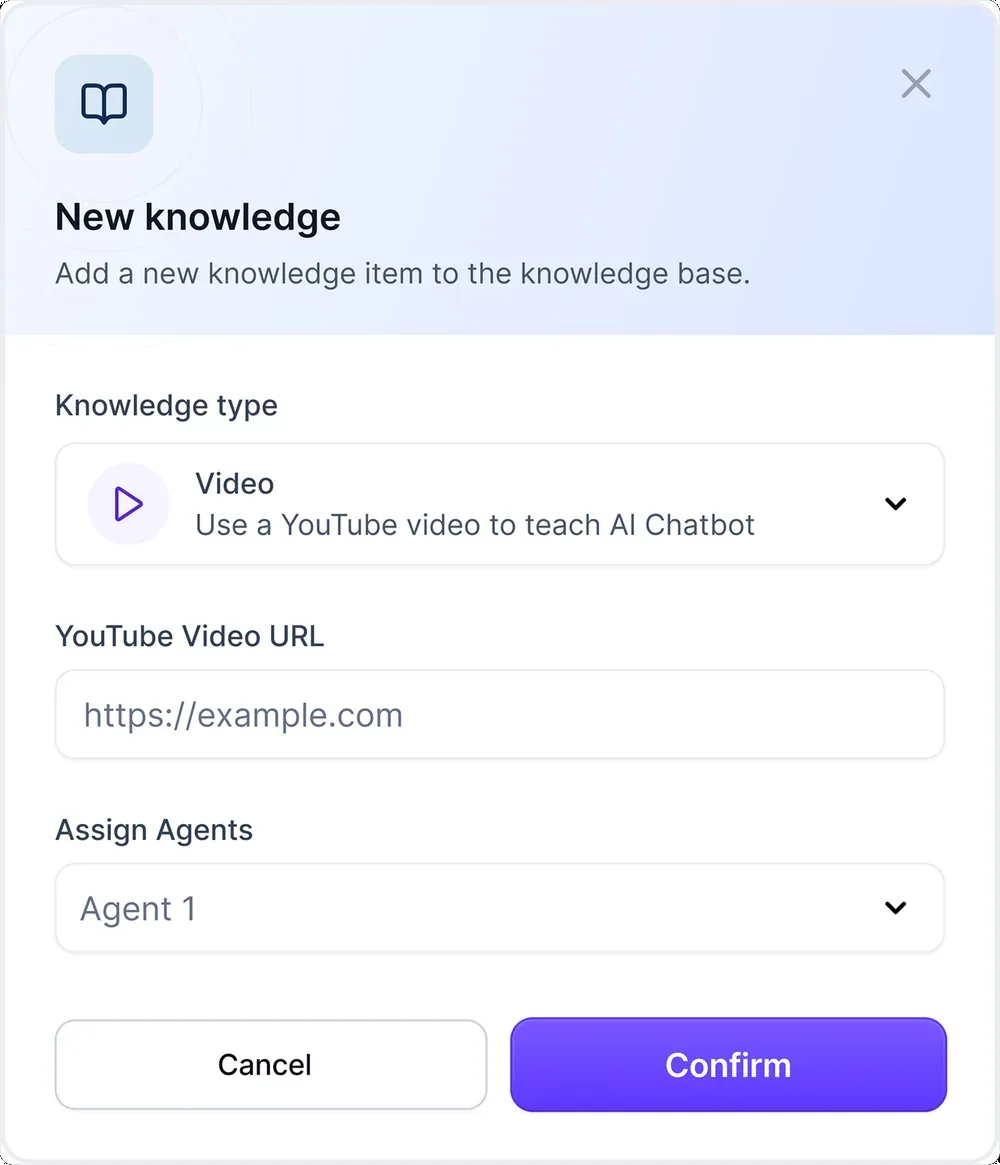
Add a new data source
The modals to add any source to the knowledge base — a document, a website, an FAQ, or a video.
Organisational dashboard
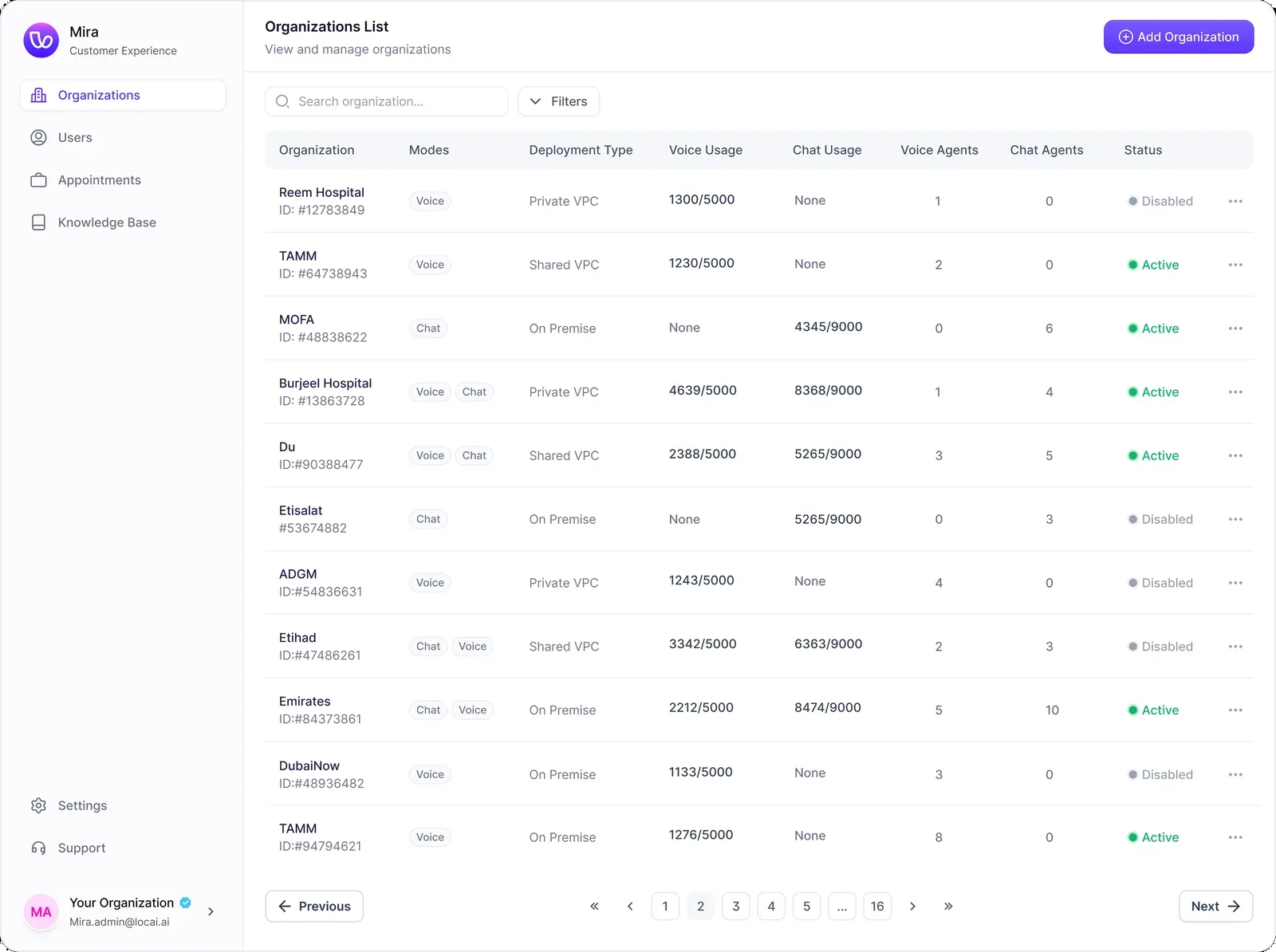
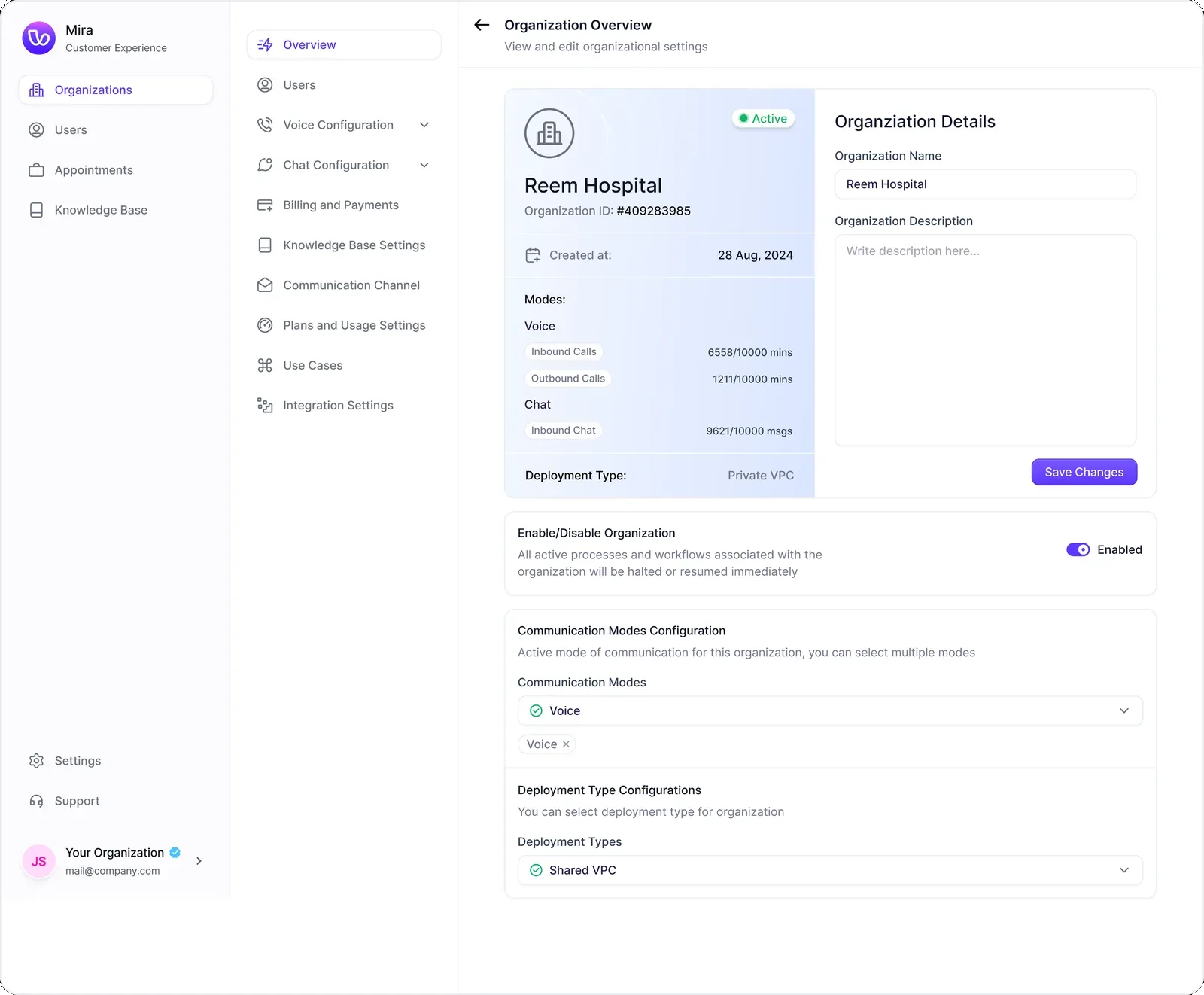
Organisation overview
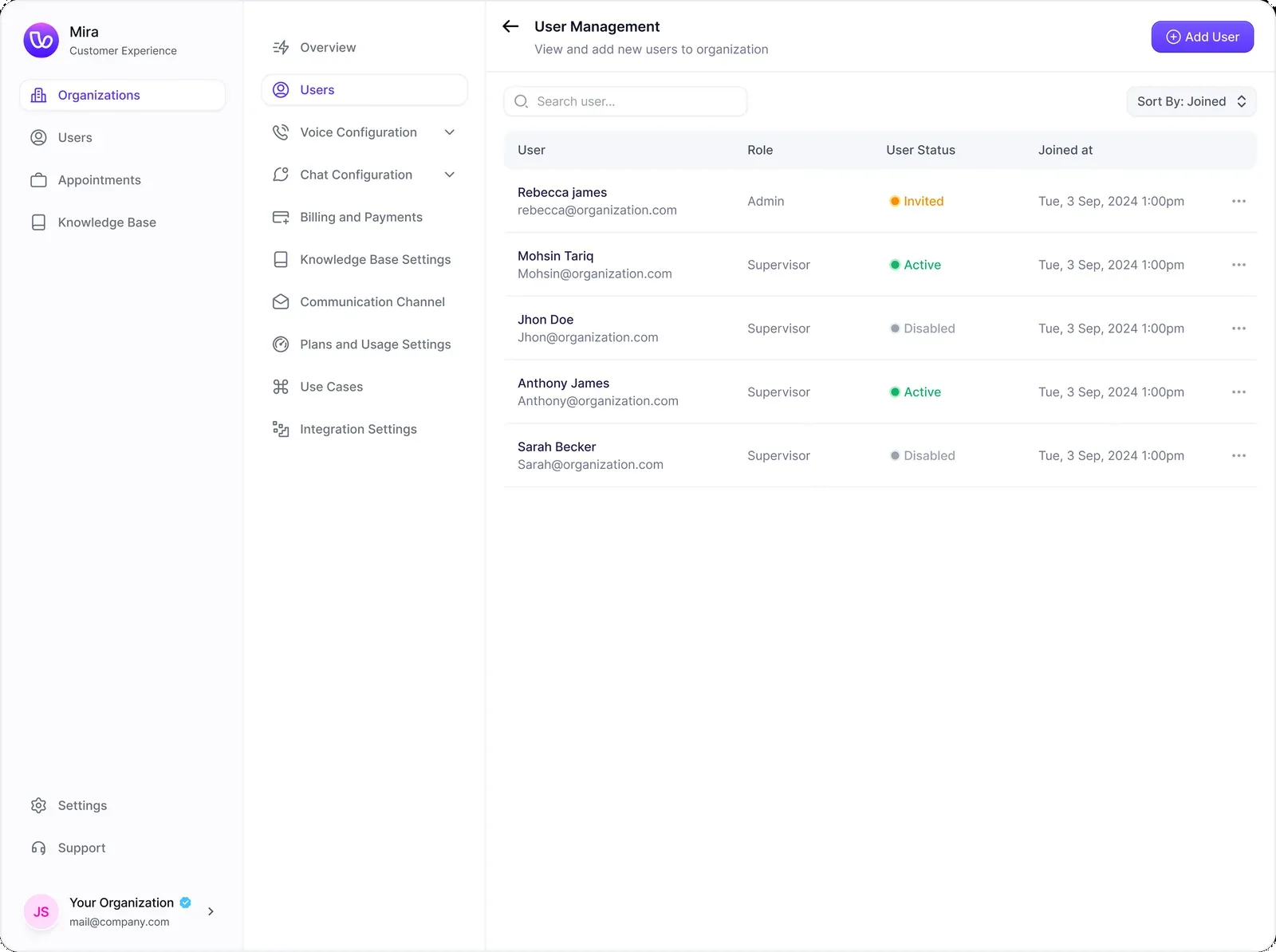
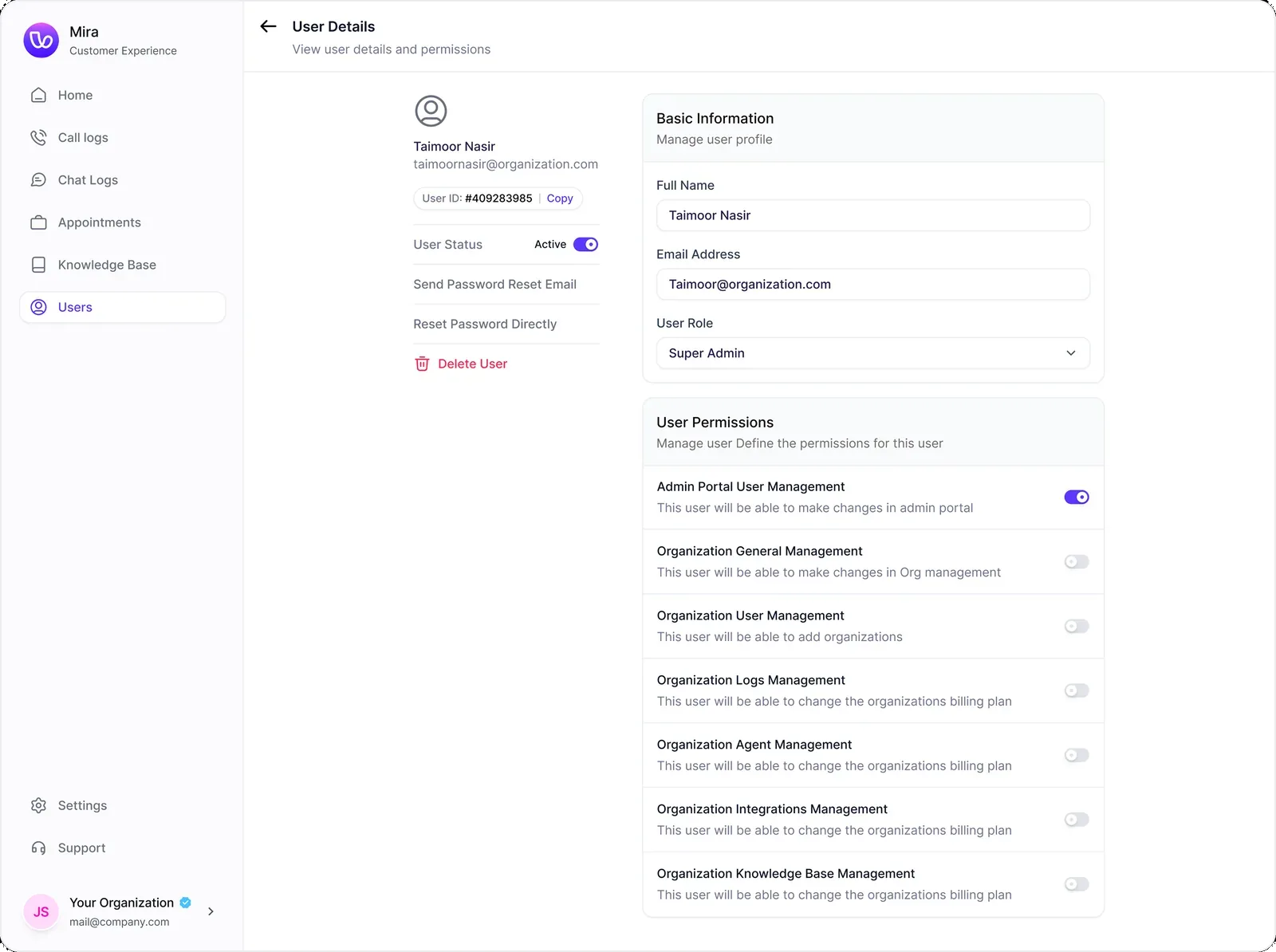
User management
Details and permissions for every user within the organisation.
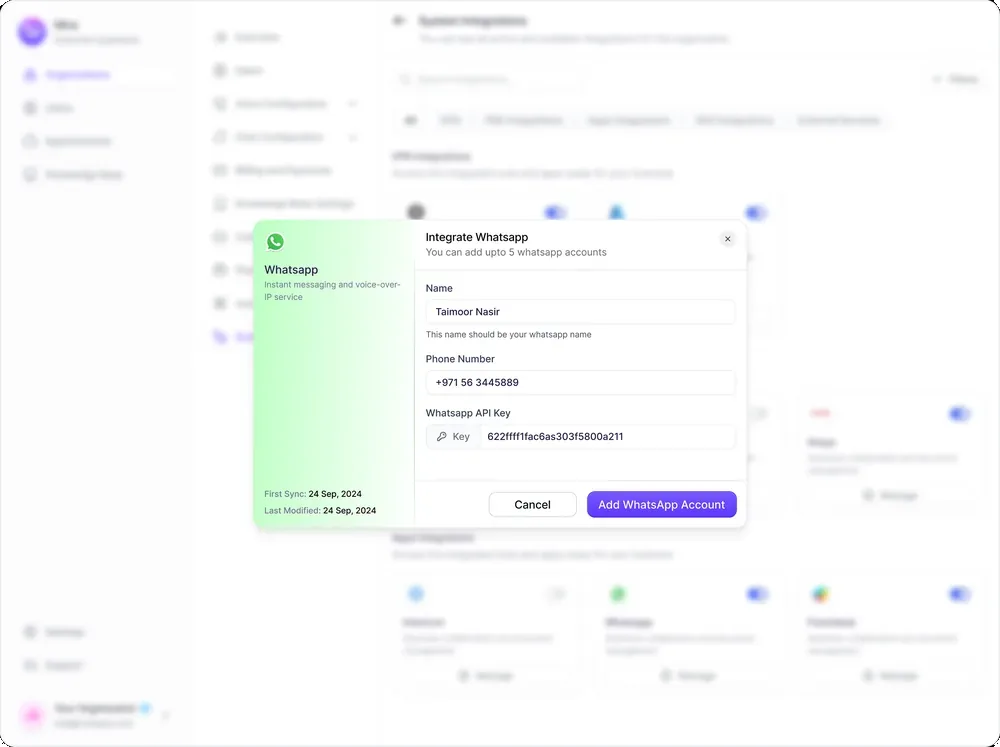
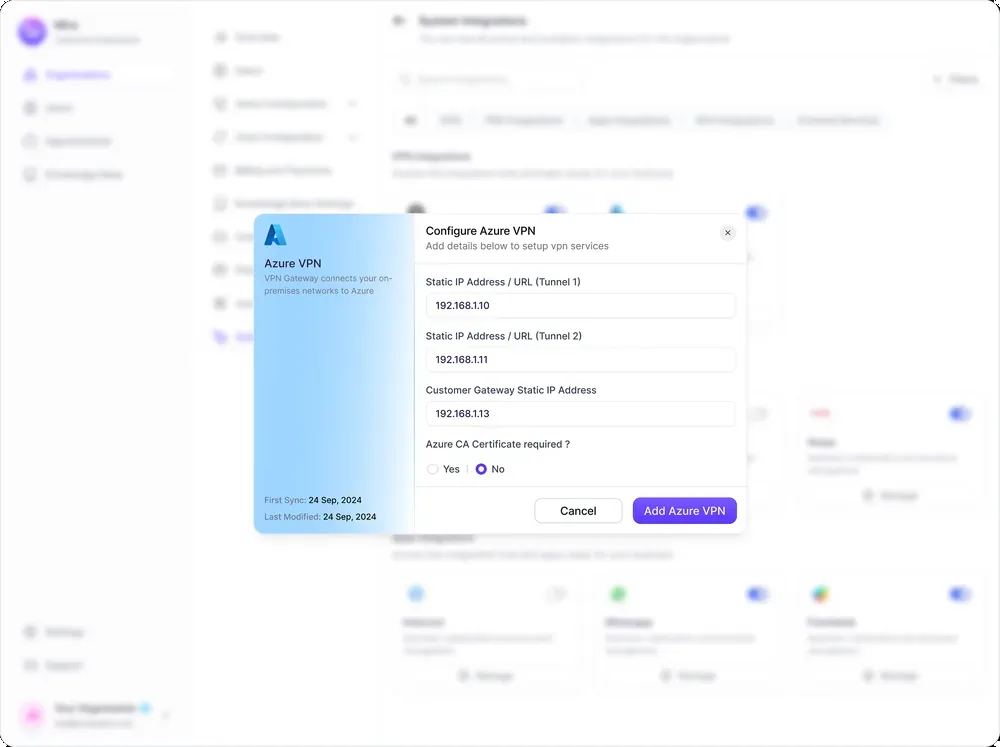
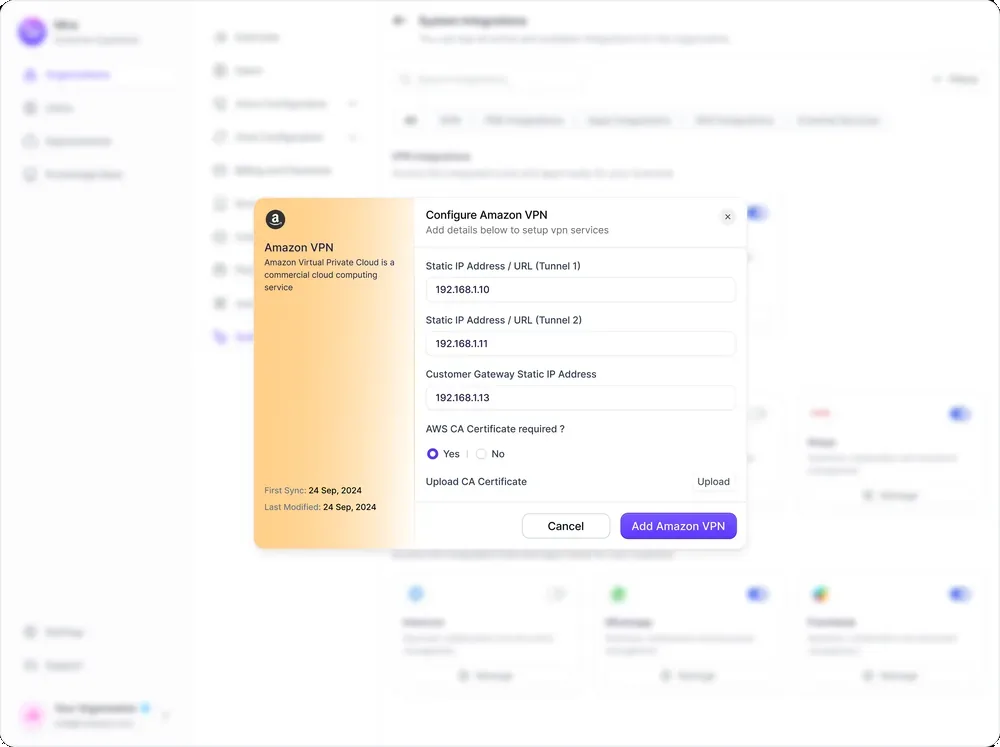
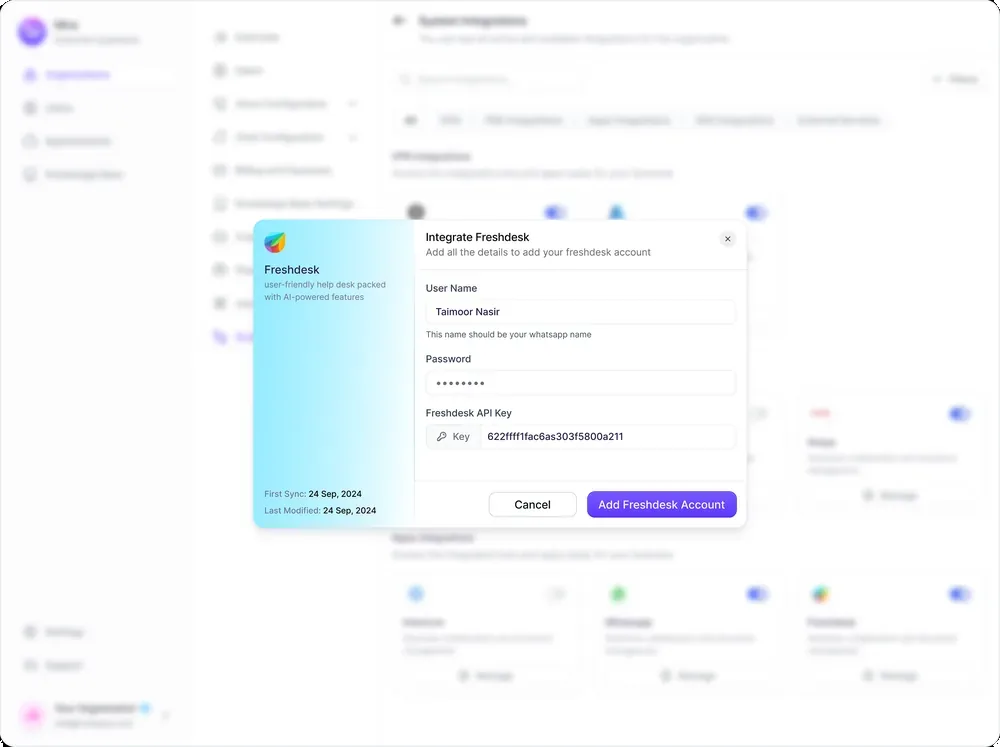
System integrations
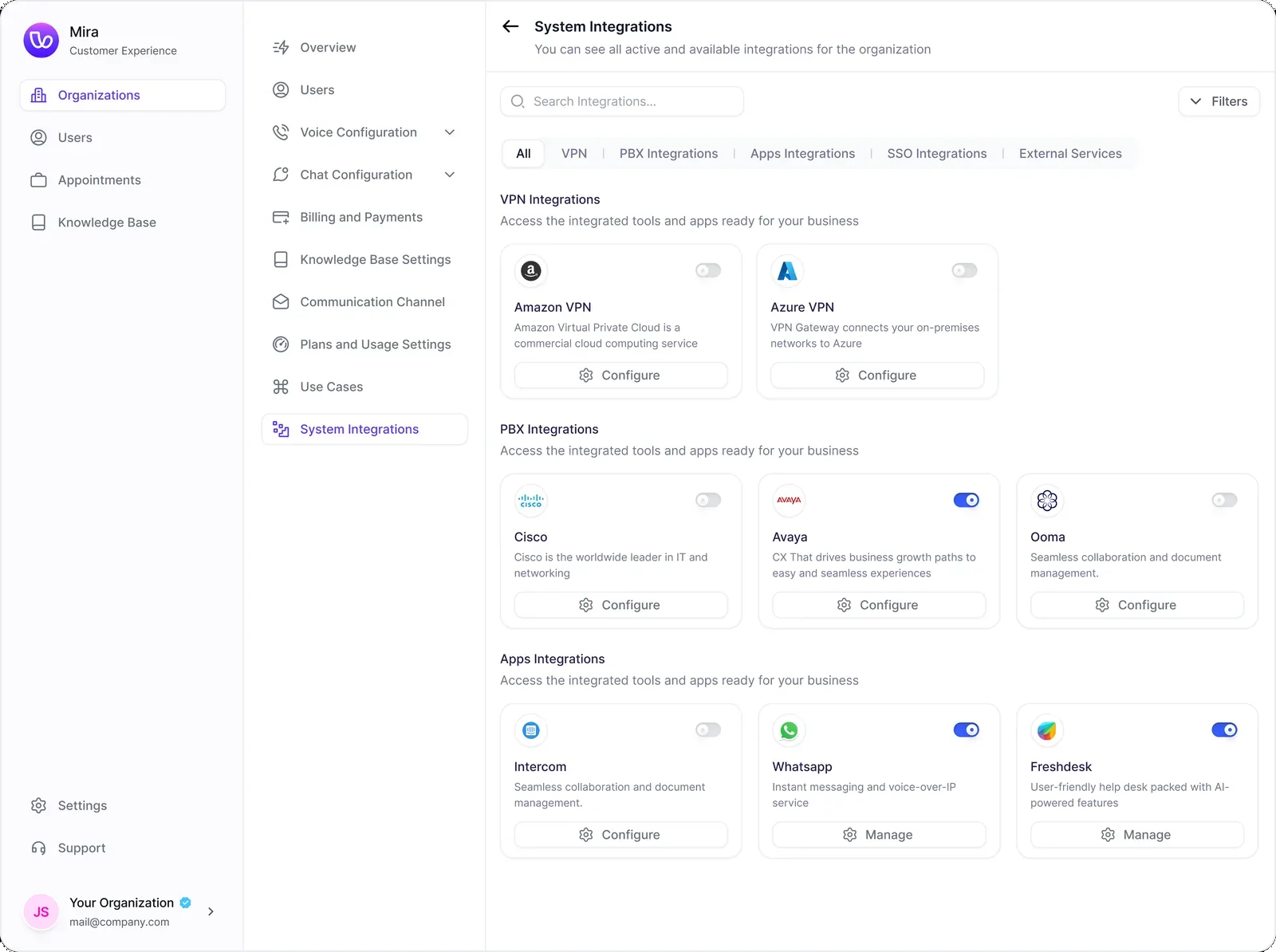
Configure an integration
Connect WhatsApp, VPNs, and more, per organisation.
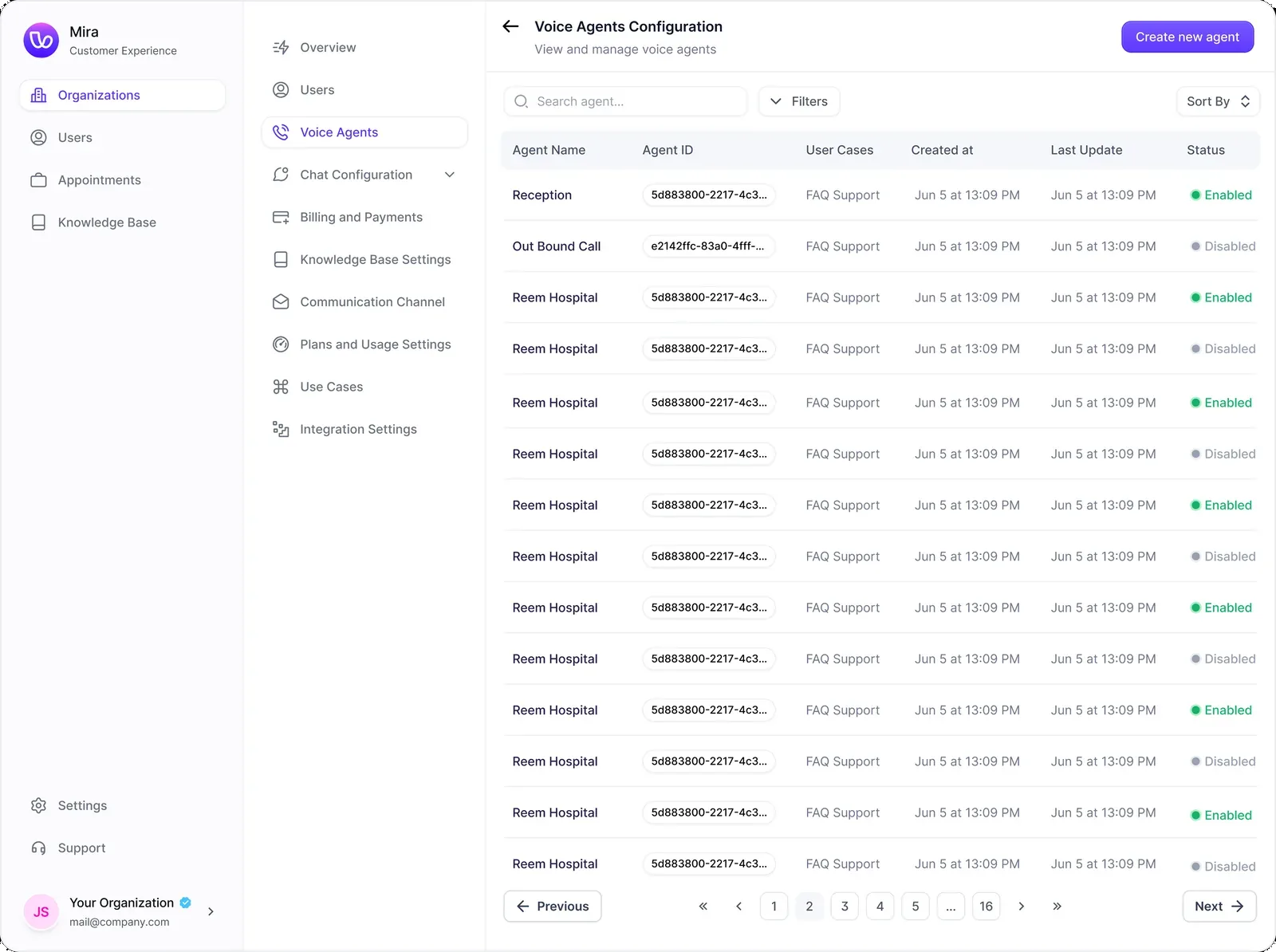
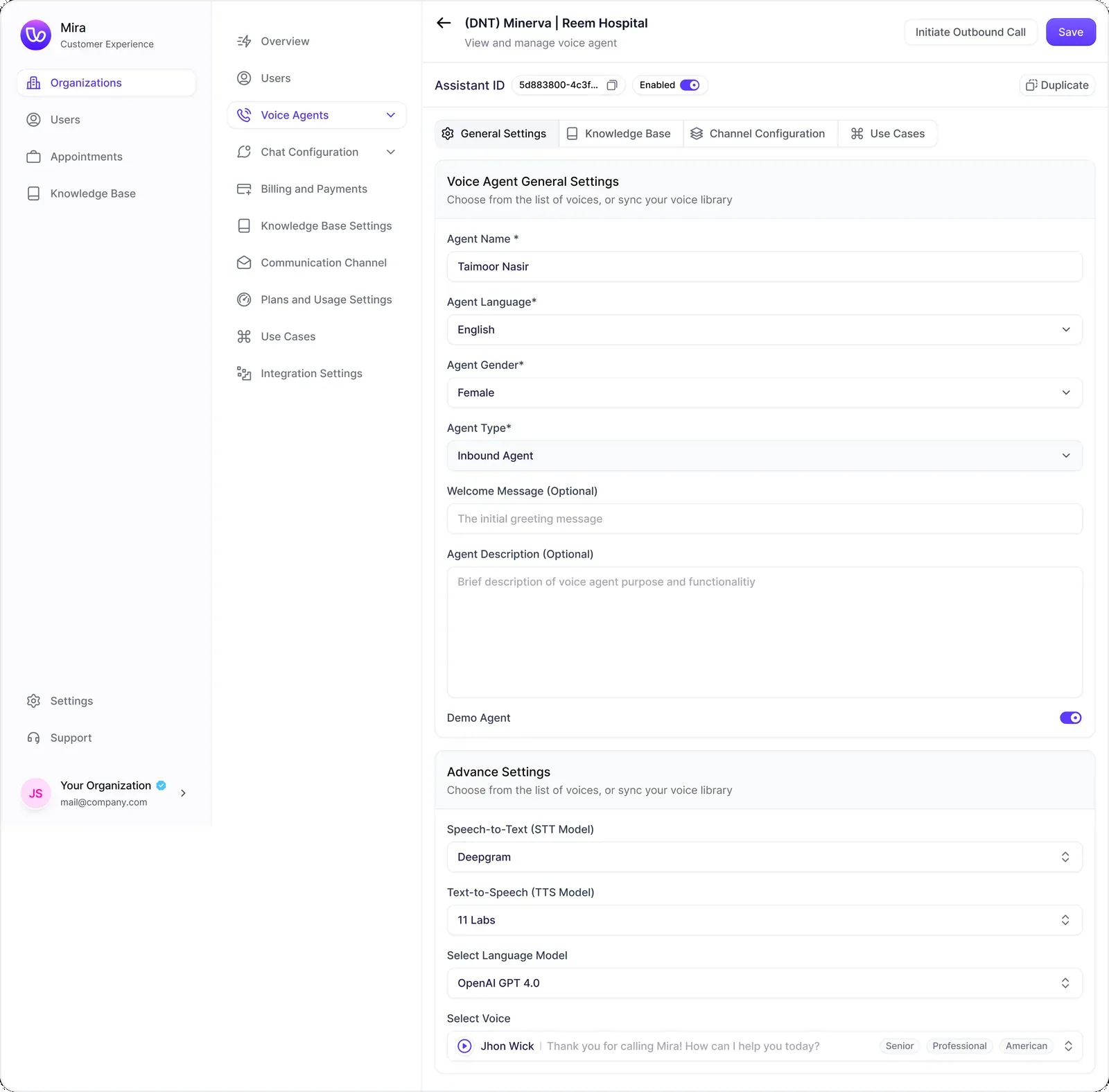
Voice agent creation
Voice agent details
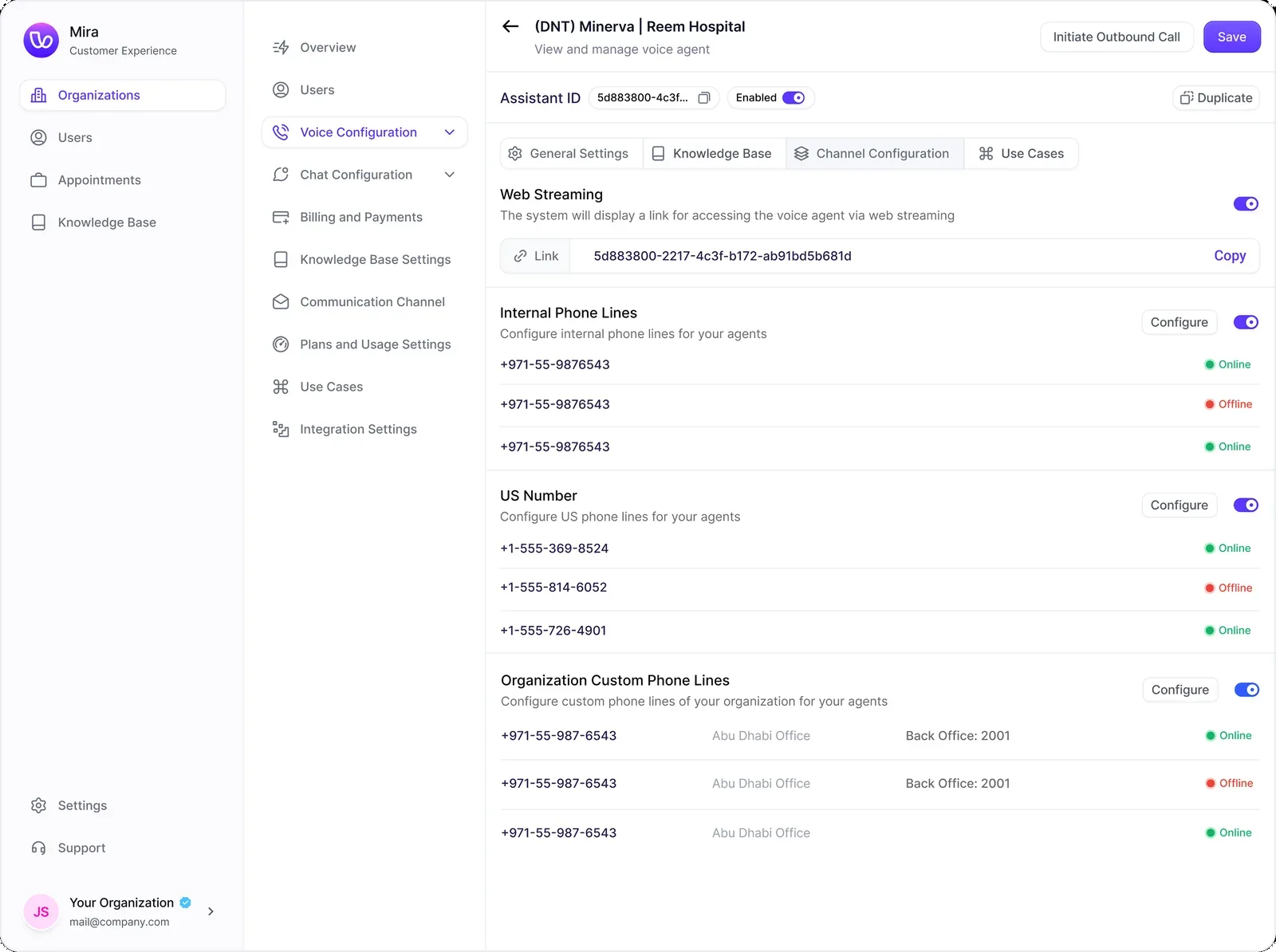
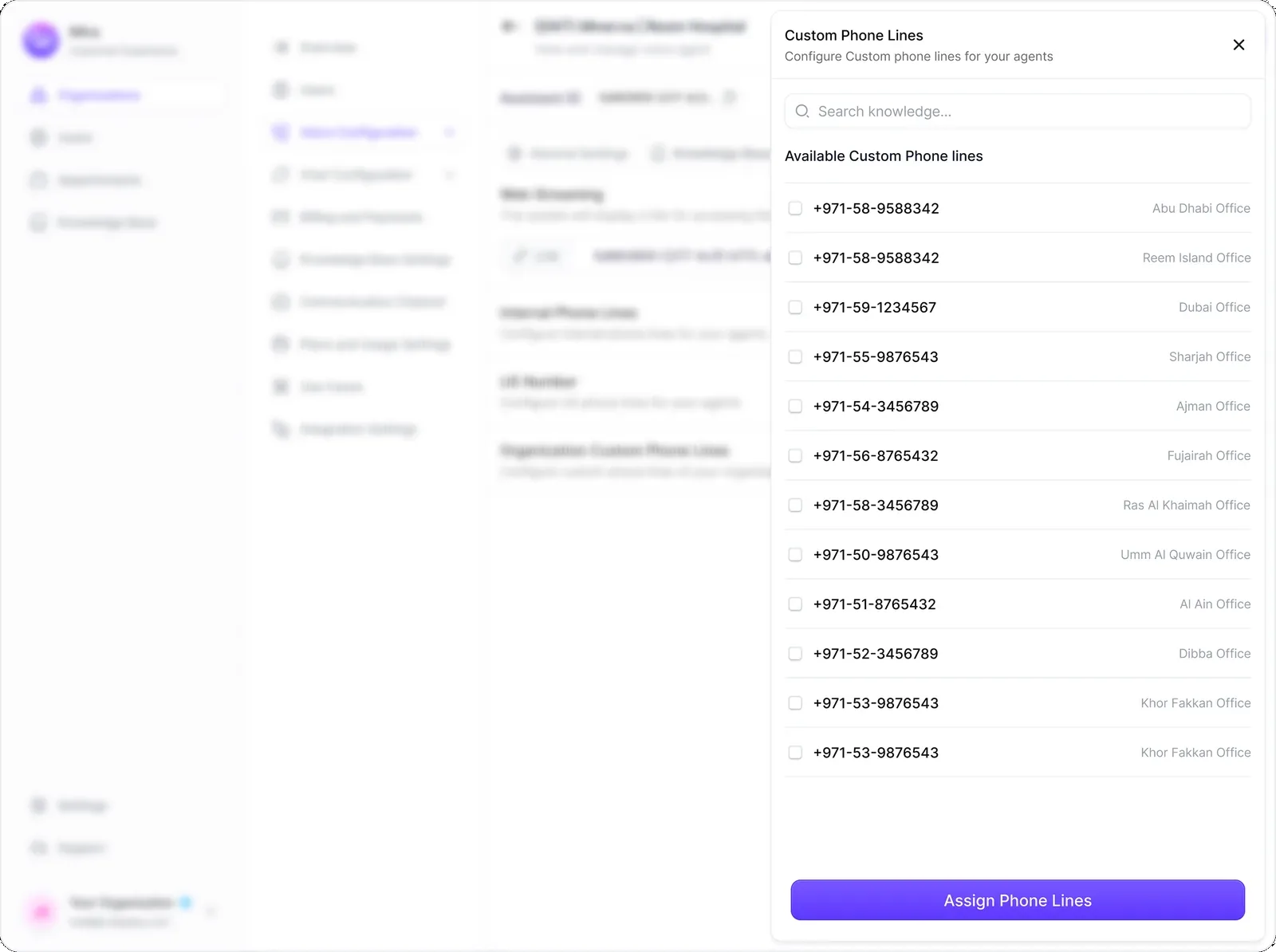
Miscellaneous screens
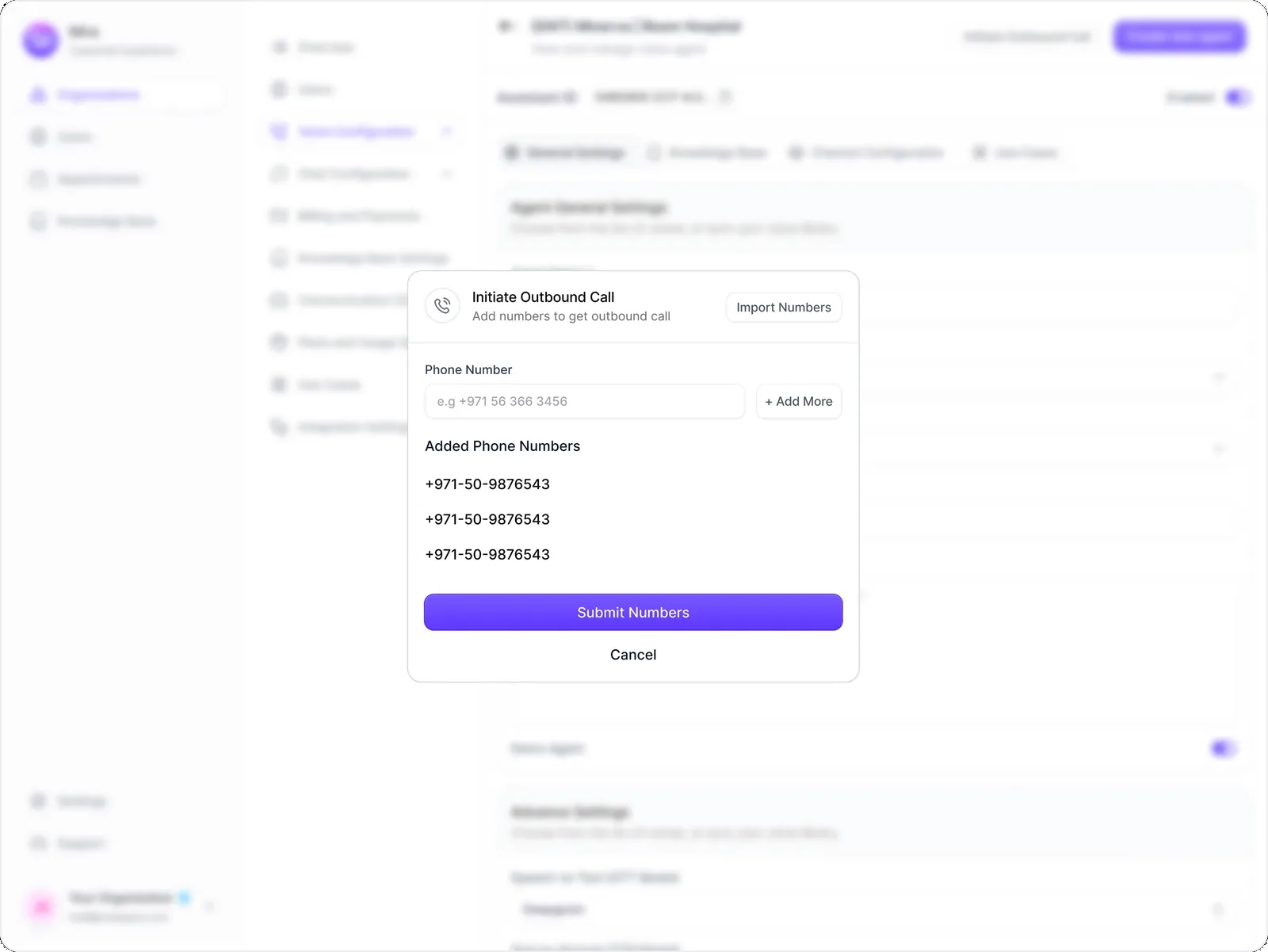
Managing agents and their phone lines — outbound calls, custom lines, and web streaming.
Thank you for making it this far.
MIRA · AI71